House demolition
Remove vacant, damaged, unsafe, or outdated homes and prepare the lot for redevelopment or a replacement structure.
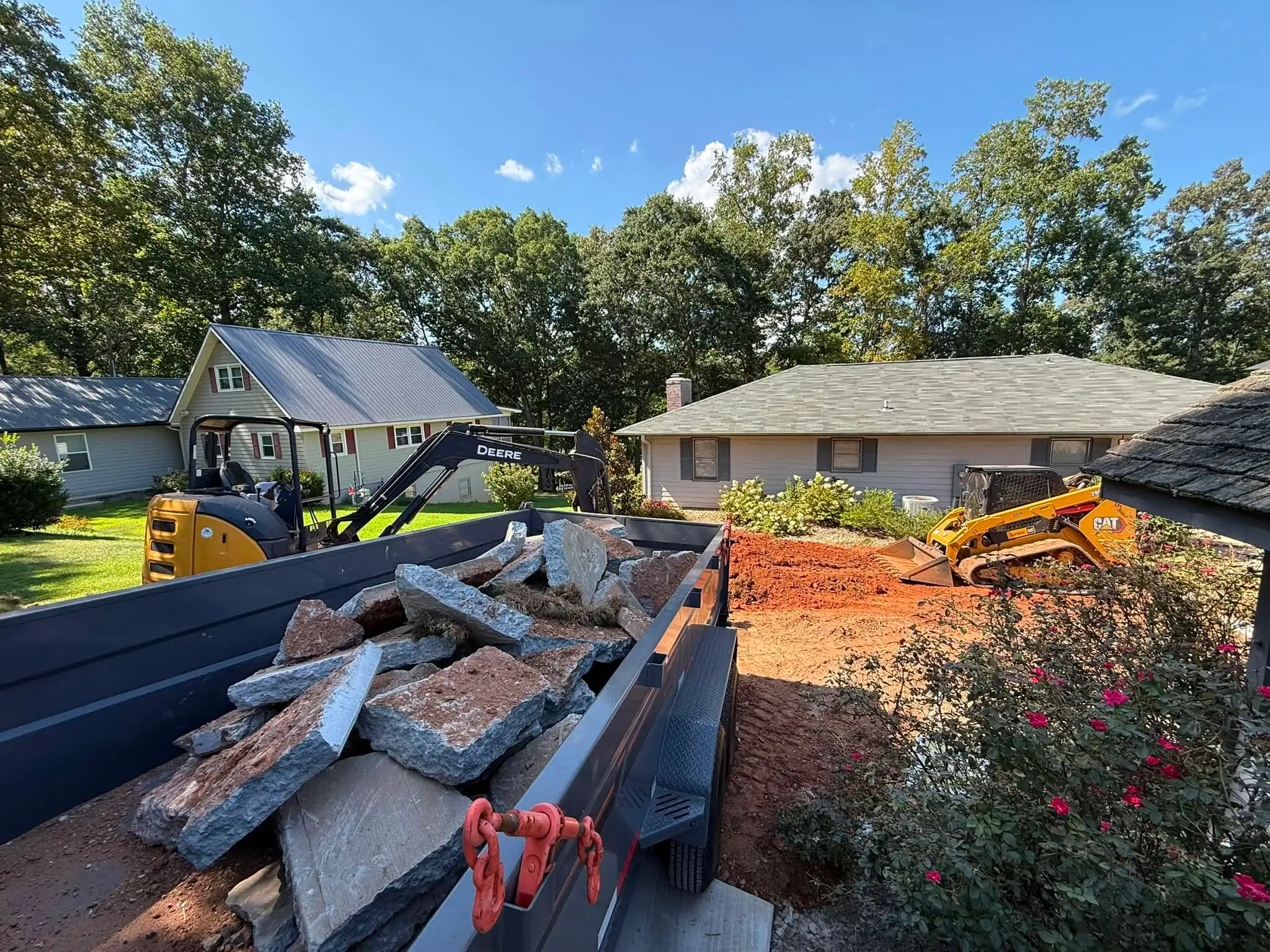
Remove the old. Prepare for what comes next.
Residential, agricultural, and light commercial demolition with debris removal, concrete removal, cleanup, and site preparation throughout Northeast Georgia.
A complete plan from removal to cleanup
Demolition is more than knocking down a building. Every project needs a plan for utilities, access, nearby property, debris, concrete, hauling, grading, and the future use of the site.
TerraCraft evaluates the structure and surrounding property before work begins. The goal is to remove what is no longer useful while leaving the property cleaner, safer, and ready for its next phase.
Tell us what needs to come down →Controlled removal and complete site cleanup
Remove vacant, damaged, unsafe, or outdated homes and prepare the lot for redevelopment or a replacement structure.
Controlled removal of detached garages, carports, workshops, block buildings, metal structures, slabs, and foundations.
Remove wood, pole, metal, livestock, hay-storage, and equipment barns from farms and rural properties.
Clear storage sheds, garden sheds, utility buildings, small workshops, and damaged outbuildings.
Organized removal of the structure, skirting, decks, steps, piers, pads, approved contents, and mixed debris.
Complete or selective removal for small offices, retail buildings, storage buildings, workshops, and redevelopment sites.
Break, load, and haul patios, sidewalks, driveways, equipment pads, slabs, footings, and foundation sections.
Excavate block or concrete walls, footings, piers, crawlspace foundations, and other below-grade sections.
Remove an addition, garage, porch, deck, wall, room, or connected section while preserving approved areas.
Remove selected non-structural walls, flooring, cabinets, ceilings, fixtures, framing, and finishes for renovation.
Remove damaged asphalt or concrete surfaces and prepare the area for a new driveway, yard, drainage, or building project.
Separate, load, and haul debris; remove remaining concrete; fill low areas; and rough grade the disturbed site.
Work planned around the structure and property
Houses, garages, sheds, mobile homes, additions, patios, slabs, and other unwanted improvements. Tight access, septic, wells, fences, landscaping, neighbors, and utilities are considered before equipment arrives.
Barns, pole barns, livestock buildings, equipment sheds, hay storage, workshops, concrete floors, posts, and footings on farms and rural acreage.
Small offices, retail buildings, storage structures, workshops, warehouses, additions, and redevelopment sites near parking, roads, utilities, and active businesses.
When part of the structure must remain
Selective work may remove an addition, attached garage, porch, deck, wall, room, barn section, slab, or foundation while preserving approved areas. Connections to framing, roofing, utilities, and structural components must be understood first.
Concrete thickness, reinforcement, depth, access, disposal, underground utilities, and future site use all affect slab and foundation removal. A builder, engineer, or licensed trade may need to evaluate or prepare connected systems before demolition begins.
Discuss Selective Removal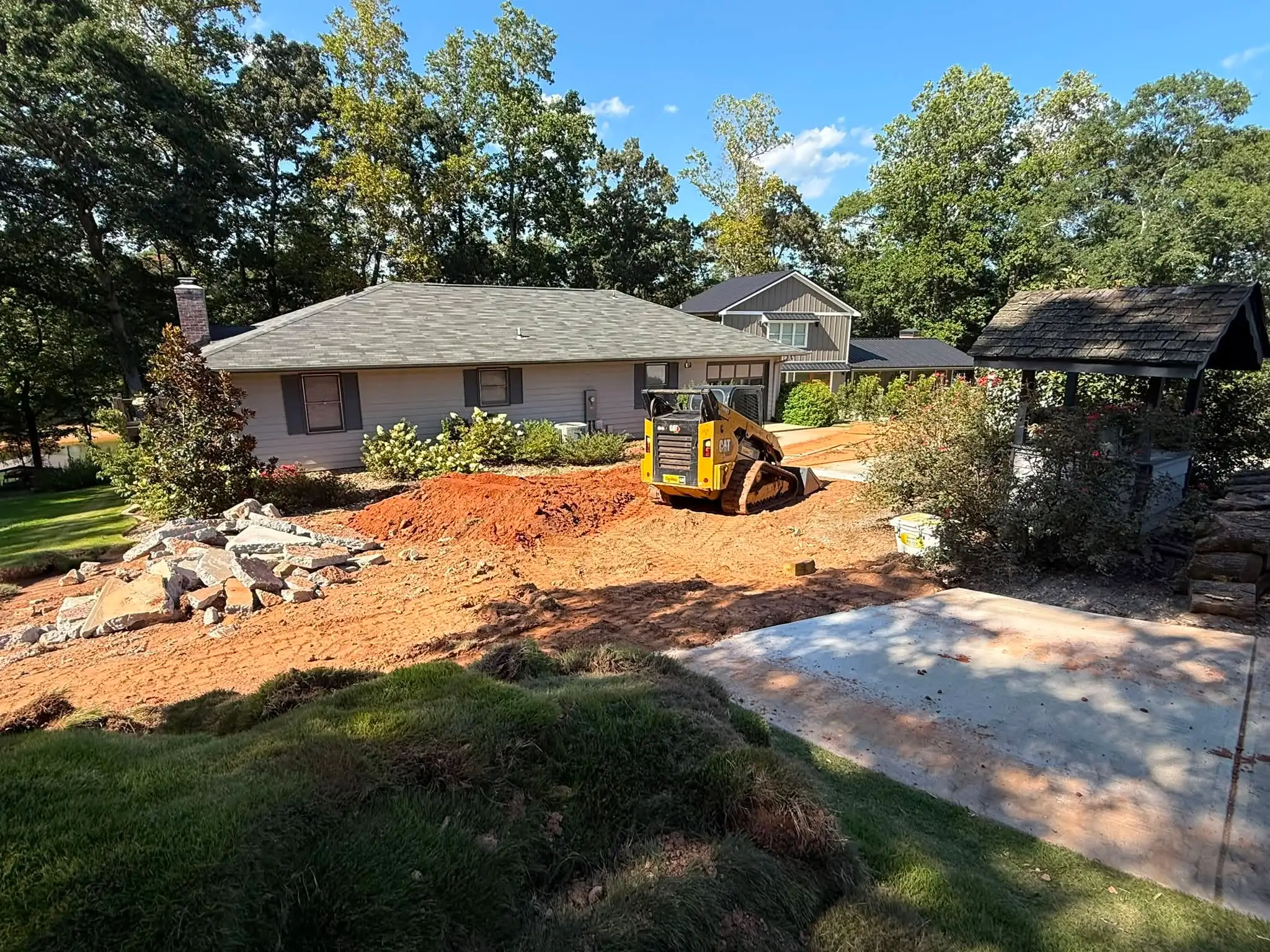
Confirm the site before demolition begins
Electric, gas, water, sewer, septic, communications, and private systems must be identified and properly disconnected.
Requirements vary by location, structure, size, utilities, disposal, and future plans. Responsibilities should be confirmed before scheduling.
Suspected asbestos, lead paint, fuel, chemicals, and other regulated materials may require testing and removal by qualified specialists.
Equipment movement, falling material, dust, debris, hauling access, overhead lines, underground systems, trees, fences, and neighboring property influence the plan.
Hazardous or regulated materials should not be disturbed until the proper testing, abatement, and disposal process has been determined.
Removal is only the first phase
Separate, load, and haul included demolition debris according to the agreed scope.
Collect loose debris, exposed concrete, broken lumber, metal, and other material from the work area.
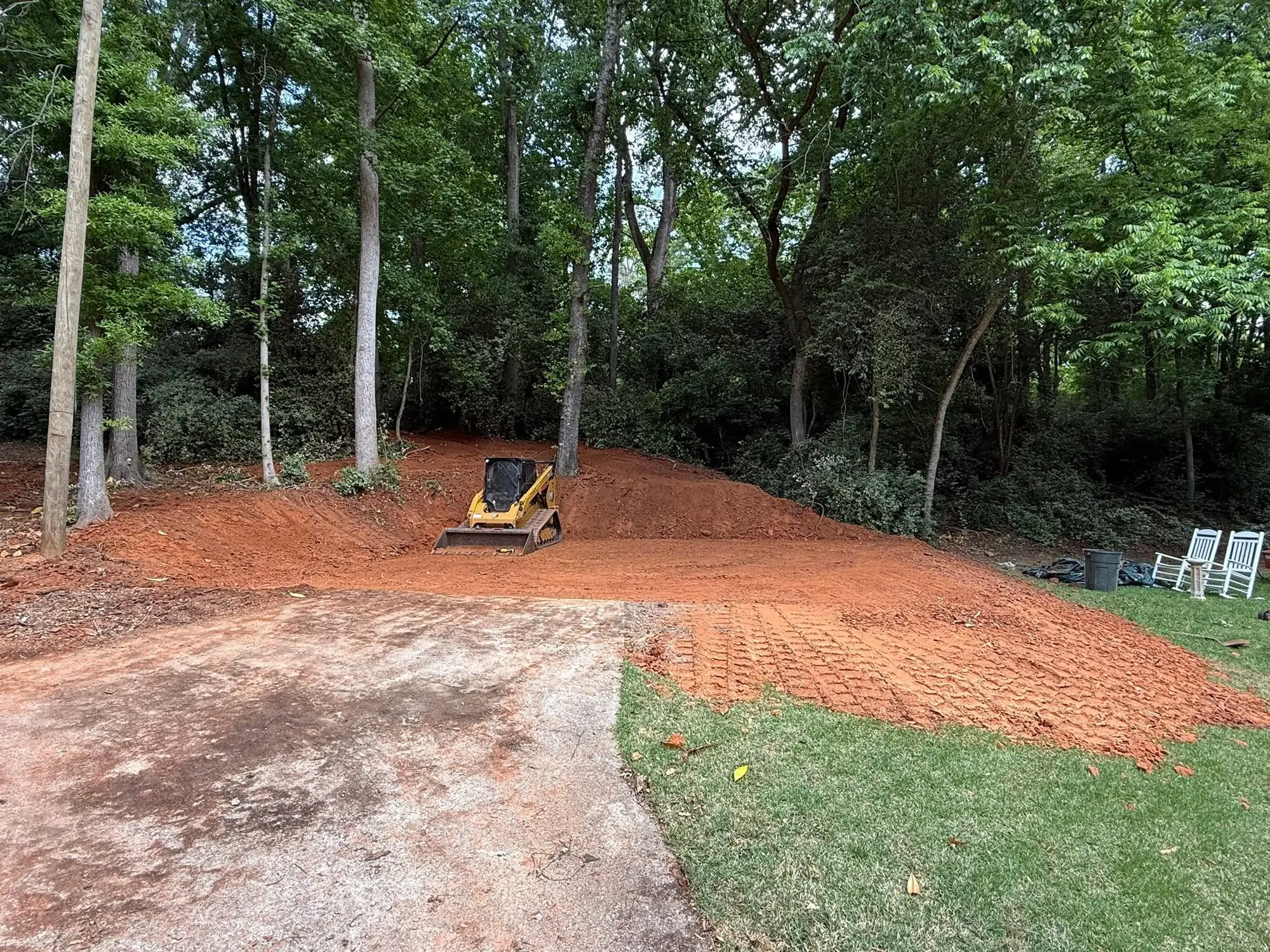
Backfill holes and low areas, then shape disturbed ground for a smoother surface and better drainage.
Remove old footings, buried debris, unsuitable soil, or remaining foundation material.
Coordinate clearing, drainage, soil preparation, access, and grading for redevelopment.
Prepare a stable, well-drained start for a replacement home, garage, barn, shop, or commercial building.
TerraCraft can carry the project into excavation, grading, site preparation, driveway work, or a new building pad.
From first discussion to redevelopment
Identify the structure, approximate size, condition, contents, access, nearby improvements, utilities, concrete, and future use.
Review equipment and truck access, building materials, foundation areas, drainage, debris volume, and potential safety concerns.
Define complete or selective removal, protected areas, debris handling, concrete removal, hauling, and grading.
Confirm that electric, gas, water, sewer, septic, communications, and other connected systems are properly identified and disconnected.
Take down the approved structure in a controlled sequence with equipment suited to the project and available space.
Separate wood, metal, concrete, masonry, roofing, and general construction debris as practical for handling and disposal.
Load and remove included demolition debris according to the agreed project scope and disposal requirements.
Remove included slabs, footings, piers, foundation walls, pads, and other buried structural material.
Backfill holes and low areas, manage agreed material, and shape the disturbed site for drainage and its next use.
Complete the agreed debris cleanup and leave the property ready for the next phase.
Continue with clearing, excavation, grading, drainage, driveway work, site preparation, or a building pad when requested.
Capable equipment and a clean finish
Local demolition and redevelopment work
TerraCraft serves Athens, Watkinsville, Jefferson, Commerce, Winder, Monroe, Lexington, Danielsville, Royston, Hartwell, Elberton, Gainesville, and surrounding communities.
Projects range from older homes, garages, sheds, barns, and mobile homes to concrete removal, damaged structures, small commercial buildings, and sites being prepared for new construction.
Availability depends on the structure, project size, access, location, disposal requirements, current schedule, and the complete requested scope.
Serving Athens–Clarke County, Oconee, Jackson, Barrow, Madison, Oglethorpe, Banks, Walton, Franklin, Hall, Elbert, Hart, and surrounding Northeast Georgia communities.
A clear plan for the whole property
Access, utilities, nearby improvements, debris, drainage, and future plans shape the demolition sequence.
Machines are selected around the structure, concrete, access, debris, and surrounding property.
Driveways, fences, yards, trees, septic systems, wells, and nearby buildings are considered in the work plan.
Changing site conditions are managed with planned equipment movement and attention to protected areas.
Scope, sequence, schedule, utility coordination, permits, disposal, and changing conditions are discussed.
The agreed scope can include debris, concrete, foundations, backfill, rough grading, and site cleanup.
Work is planned for Northeast Georgia's residential lots, farms, rural sites, clay soil, slopes, and wooded access.
We explain what is included, what requires another qualified contractor, and what the site may need afterward.
Answers before the structure comes down
The structure, access, materials, utilities, permits, debris, regulated materials, and future use determine the final scope.
A permit may be required depending on the location, structure type, size, utility connections, disposal requirements, and local rules. Responsibilities should be confirmed before work is scheduled.
Cost depends on size, materials, condition, access, hauling distance, debris volume, concrete and foundation removal, utility coordination, regulated materials, grading, and permits.
A small shed may be completed quickly, while a house, barn, concrete structure, or commercial building takes longer. Access, utilities, permits, weather, debris, and disposal affect timing.
Potentially, after its condition, utilities, access, unstable areas, contaminated debris, and possible regulated materials are evaluated.
Yes. Selective demolition can preserve the remaining structure, but an engineer, builder, or qualified trade may need to evaluate or prepare connected systems first.
Interior demolition may be available for selected non-structural walls, flooring, ceilings, fixtures, and finishes after structural components and utilities are identified.
Yes, when included in the scope. Thickness, reinforcing steel, depth, access, disposal volume, nearby structures, utilities, and future site use affect the work.
Yes. The estimate should clearly identify included structures, contents, concrete, special materials, and the agreed cleanup level.
Usually. Personal property, appliances, chemicals, fuel, tires, paint, and other special items should be removed or discussed because they may require separate handling.
The excavation can be backfilled and rough graded. New construction may require suitable fill, controlled compaction, drainage, additional excavation, and building-pad preparation.
Yes. TerraCraft can coordinate excavation, grading, drainage, clearing, site preparation, driveways, and house or building pads after demolition.
Yes. These projects may include connected decks, steps, skirting, concrete, piers, posts, floors, fencing, and debris when listed in the scope.
Suspected asbestos, lead, chemicals, fuel, or other regulated materials should be evaluated before normal demolition. Qualified specialists may be required for testing and removal.
It can, especially on soft ground, narrow access, landscaped areas, or lightly built driveways. TerraCraft evaluates access and discusses likely impacts before work begins.
Possibly. Distance, structural condition, utilities, access, and the demolition method must be evaluated. Tight sites may require selective removal or additional precautions.
Yes, when included in the agreed scope. Cleanup can include debris removal, concrete or foundation removal, backfill, and rough grading.
Yes. TerraCraft can handle demolition, debris removal, rough grading, excavation, and additional site preparation to simplify scheduling and communication.
Remove the structure and prepare the property
Share the property address, structure type, approximate size, photos, access information, utilities, concrete or foundation details, remaining contents, and what you plan to do afterward.
706-480-8220Serving Athens–Clarke County, Oconee, Jackson, Barrow, Madison, Oglethorpe, Banks, Walton, Franklin, Hall, Elbert, Hart, and surrounding Northeast Georgia communities.