TerraCraft Excavations
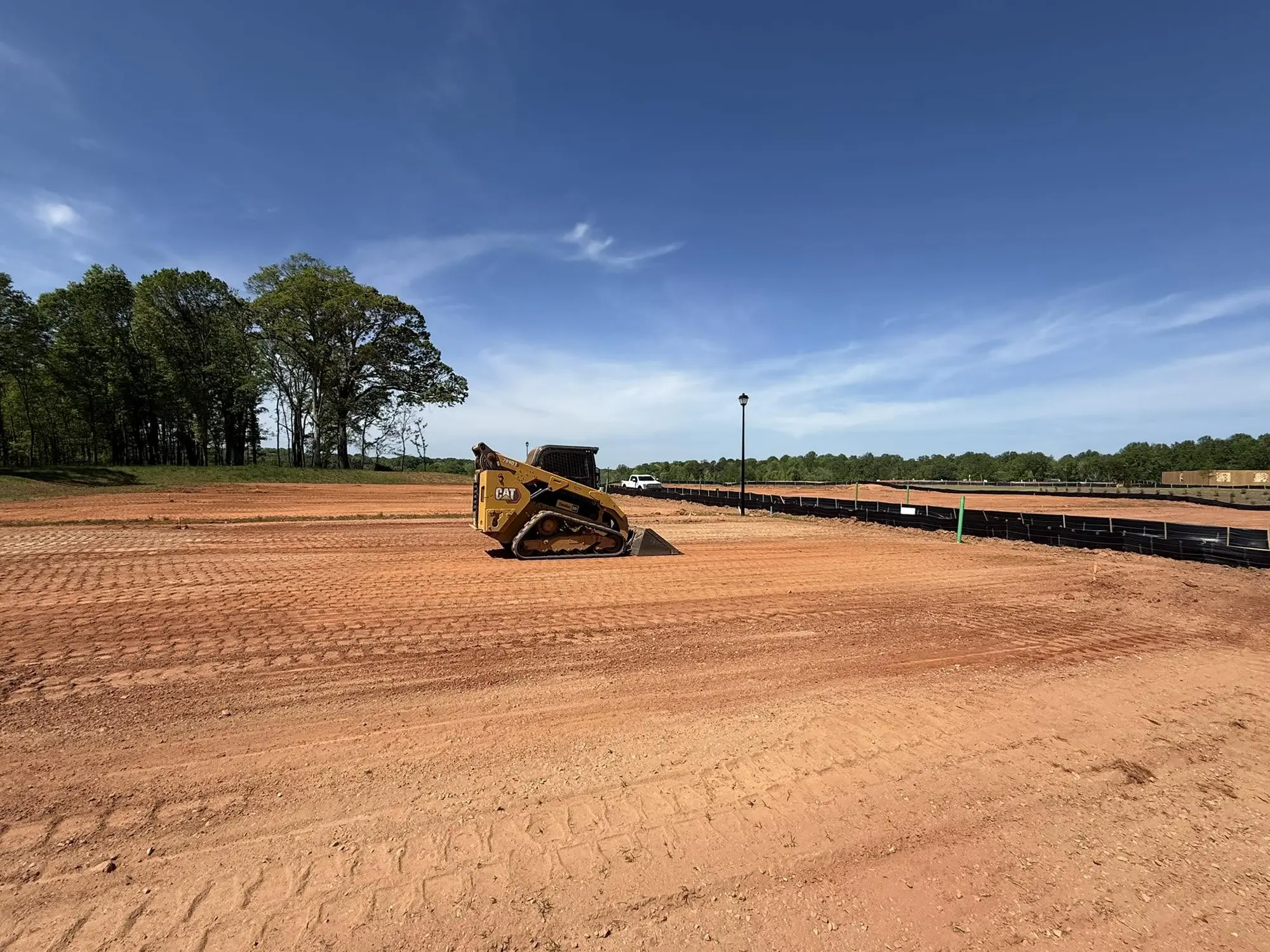
TerraCraft compact track loader grading a large Northeast Georgia construction site

Homes, driveways, pads, and drainage

Grading Contractor in Athens, GA

TerraCraft provides professional grading for homes, driveways, building pads, drainage, yards, and construction sites throughout Athens and Northeast Georgia.

Residential GradingCommercial GradingRough & Finish GradingBuilding Pads & Drainage

Built from the elevations up

What Is Land Grading?

Land grading reshapes a property to create the elevations, slopes, drainage patterns, and working areas required for construction or improvement. The goal is rarely to make everything flat. A carefully planned grade helps water move away from buildings, driveways, septic areas, landscaped spaces, and other important parts of the site.

Depending on the project, grading may cut high areas, fill low areas, move and spread soil, establish a building elevation, direct runoff, smooth disturbed ground, and prepare the surface for construction, gravel, concrete, landscaping, or grass.

Move water away from buildings
Reduce standing water and muddy areas
Prepare stable construction areas
Create usable yards and approaches
Improve driveway drainage
Reduce erosion and future rework

Two different phases

Rough Grading vs. Finish Grading

01

Rough Grading

The larger-scale shaping of a site. Soil is cut, moved, placed, and spread to establish building areas, access, preliminary drainage, and the main elevations needed for the project.

  • Cut and fill
  • House and building pad elevations
  • Construction access
  • Preliminary drainage paths
  • Imported fill placement
02

Finish Grading

The detailed shaping and smoothing completed near the end of a project or before a finished surface is installed.

  • Seed, sod, and landscaping preparation
  • Gravel and concrete preparation
  • Final drainage refinement
  • Smoothing tracks and small irregularities
  • Clean transitions around improvements
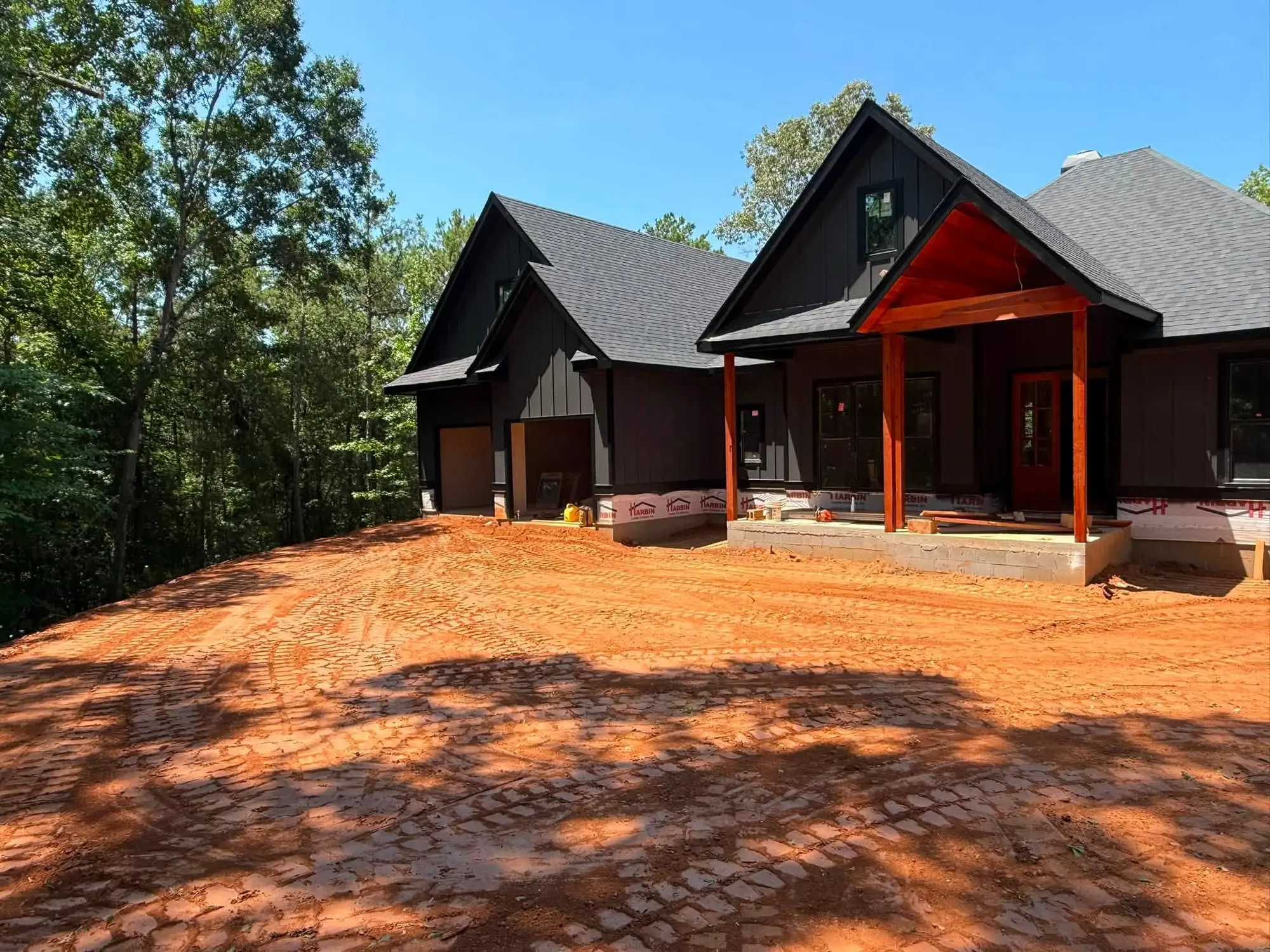
Finished grading around a new Northeast Georgia home

Homes, yards, and outbuildings

Residential Grading

Residential work ranges from a complete new-home site to a single low area beside an existing house. We plan around the building footprint, final use, vehicle access, utilities, drainage, septic areas, surrounding terrain, and the material available on site.

New homesGarages & shopsBarnsPool sitesYardsDrainage corrections
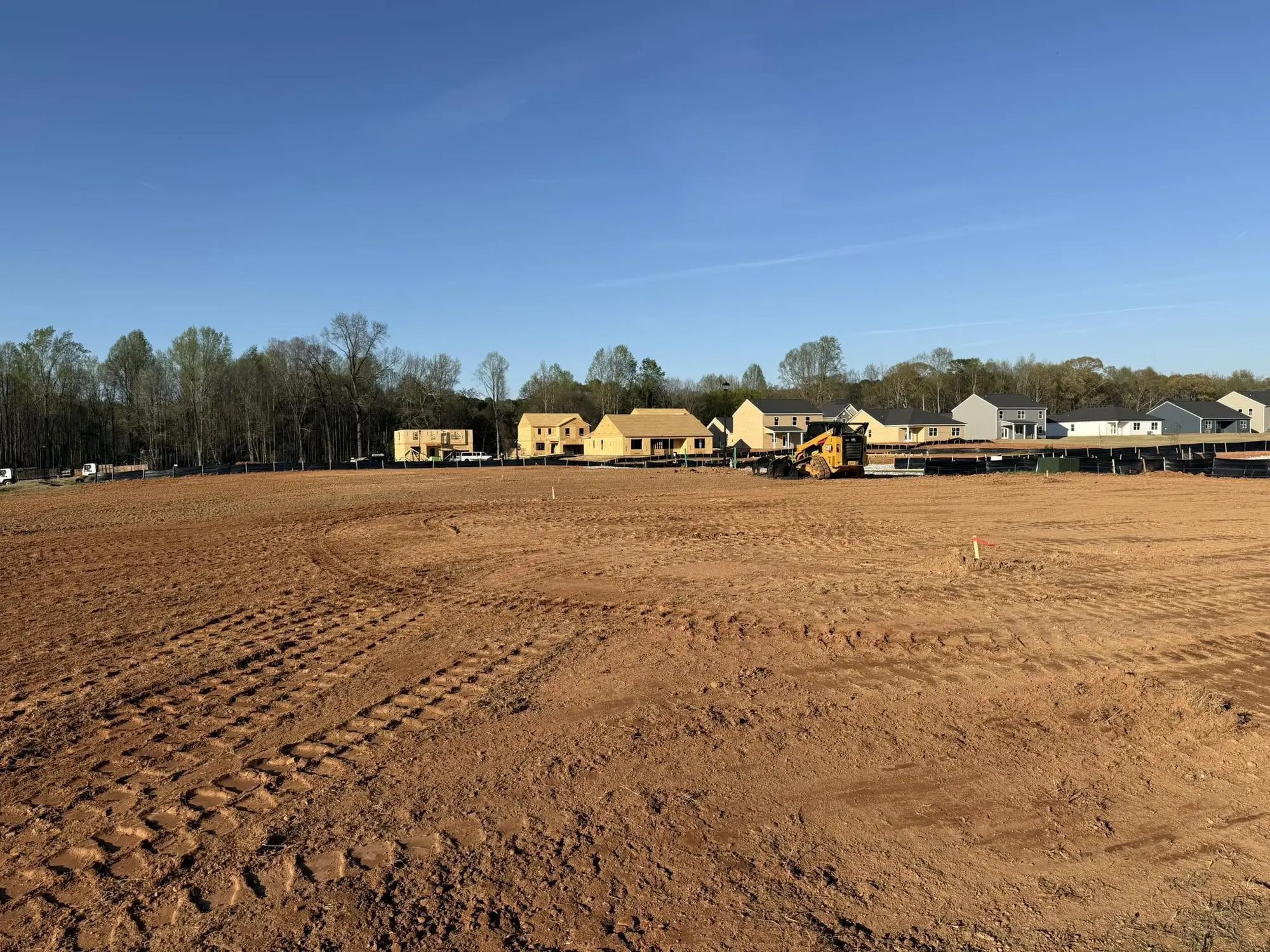
Large commercial and residential development grading project

Planned sites and larger scopes

Commercial Grading

Commercial grading is evaluated from the plans, property size, access, soil movement, drainage requirements, schedule, and equipment needs. Work may support building sites, parking areas, access routes, utility coordination, and future construction phases.

Project requirements, testing, engineering, erosion control, and inspection responsibilities should be confirmed before dirt work begins.

Capabilities shaped to the site

Grading Services

01

Rough grading

Shape the primary elevations, access routes, building areas, and drainage patterns before construction advances.

02

Finish grading

Refine slopes and smooth disturbed ground before seed, sod, gravel, concrete, landscaping, or inspection.

03

Building pads

Prepare sites for homes, garages, shops, barns, additions, and other planned structures.

04

Driveway grading

Establish or restore the crown, slope, drainage, and base needed for a more dependable driveway.

05

Yard grading

Correct low areas, abrupt transitions, difficult mowing areas, and poorly directed surface water.

06

Drainage grading

Create positive drainage, shallow swales, and practical runoff paths around structures and improvements.

07

Construction entrances

Prepare stable equipment and delivery access that supports the work planned beyond the road.

08

Soil cut and fill

Move material from high areas to lower areas when the site and soil are suitable for that approach.

09

Fill spreading

Place and spread imported soil for planned elevations, pads, approaches, and usable areas.

10

Slope shaping

Create gradual, intentional transitions that support drainage, access, maintenance, and erosion control.

11

Site restoration

Reshape and smooth areas disturbed by construction, utility work, drainage installation, or excavation.

12

Commercial grading

Support planned sites, parking areas, access routes, and building preparation based on project scope.

Water follows the ground

Grading and Drainage

Surface grading is one of the first things to evaluate when a property has puddling, erosion, washouts, soggy ground, or runoff moving toward a structure. The surrounding terrain and the intended discharge area matter just as much as the low spot itself.

Grading alone will not solve every drainage problem. Some properties also need a culvert, pipe, catch basin, French drain, ditch, or erosion-control measure. Explore utility excavation.

Positive drainage away from homes
Shallow swales and runoff paths
Low-area correction
Driveway and culvert approaches
Slopes around building pads
Preparation for drainage systems
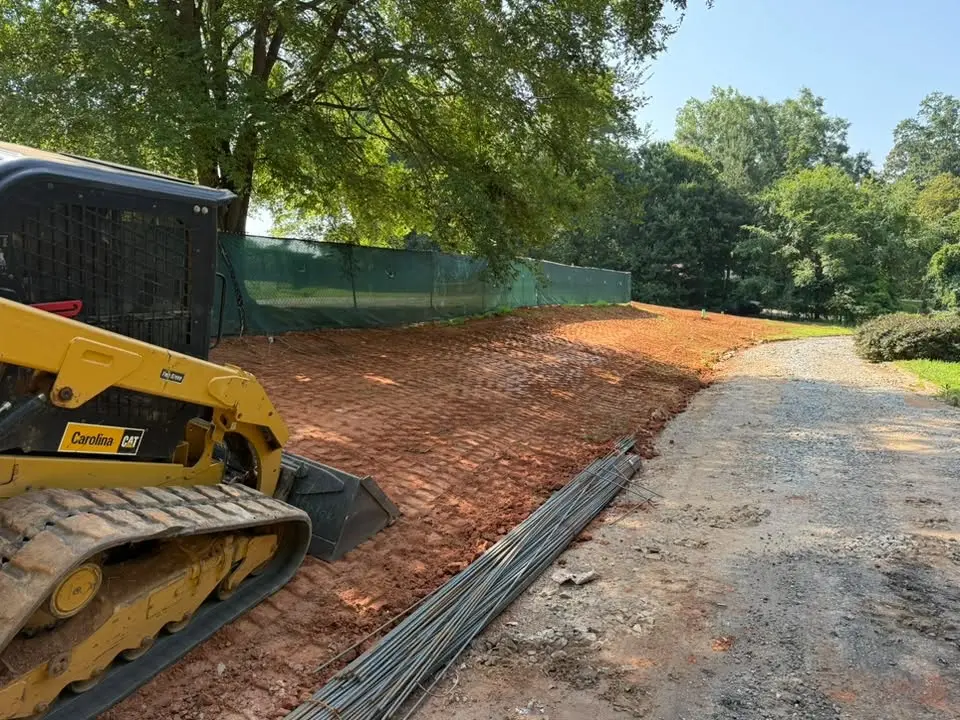
TerraCraft compact track loader shaping a residential site

Matched to access and scope

Grading Equipment

TerraCraft uses compact track loaders and excavators suited to residential access, building sites, driveways, yards, drainage work, and larger land projects. Attachments and machine choice depend on soil, slope, available turning space, material volume, and the finish required.

Equipment selection is based on the property and work plan—not a one-size-fits-all promise.

From property review to next phase

Our Seven-Step Grading Process

01

Review the property

We discuss the intended use, problem areas, access, timing, and the work already planned.

02

Evaluate elevations and water

We look at the terrain, existing runoff, structures, driveway, low points, and surrounding property.

03

Define the scope

Cut, fill, drainage, hauling, access, soil placement, and the desired finished condition are clarified.

04

Coordinate the sequence

Clearing, utilities, excavation, grading, driveway work, and construction are placed in a practical order.

05

Perform the grading

Material is moved and shaped using equipment suited to the size, access, and conditions of the site.

06

Refine and verify

Slopes, transitions, access, and surface flow are reviewed and adjusted within the agreed scope.

07

Prepare the next phase

The site is left ready for its planned next step, such as construction, gravel, drainage, or landscaping.

Common warning signs

Does Your Property Need Grading?

Visible water is only one sign. A property may need evaluation when the surface no longer supports its intended use or when elevations conflict with a planned improvement.

Water collects near a foundation
Yard puddles remain after rain
Driveway gravel washes out
Soil erodes down a slope
Construction needs a usable pad
Ground is difficult to mow or use
Runoff crosses an entrance
New work does not blend into the yard

Every site prices differently

What Affects Grading Cost?

Area and elevation change

The amount of land being shaped and how much cut or fill is needed.

Soil and moisture

Rock, unsuitable material, wet soil, and hard clay can change production and equipment needs.

Access and utilities

Machine access, slopes, turning space, septic components, structures, and marked utilities affect the approach.

Material movement

Imported fill, gravel, topsoil, trucking, disposal, and on-site relocation add to the scope.

Drainage and finish

Swales, pipe coordination, erosion measures, compaction expectations, and finish tolerance require different work.

Project sequence

Construction traffic, other trades, return visits, weather, and scheduling can affect efficiency.

The most accurate estimate comes from reviewing the property, plans, access, soil movement, drainage, intended use, and desired finish.

Plan the order before moving dirt

Where Grading Fits in Site Development

  1. 1PlanningPlans, access, limits, elevations, drainage, utilities, and material strategy.
  2. 2ClearingRemove vegetation and stumps that conflict with the planned work.
  3. 3ExcavationCreate depth, trenches, cuts, or space needed for construction.
  4. 4Rough gradingEstablish the main site shape, pad, access, and preliminary drainage.
  5. 5ConstructionFoundations, utilities, structures, and other improvements proceed.
  6. 6Finish gradingRefine elevations and prepare for gravel, landscape, seed, sod, or concrete.

Real Northeast Georgia work

Recent Grading Projects

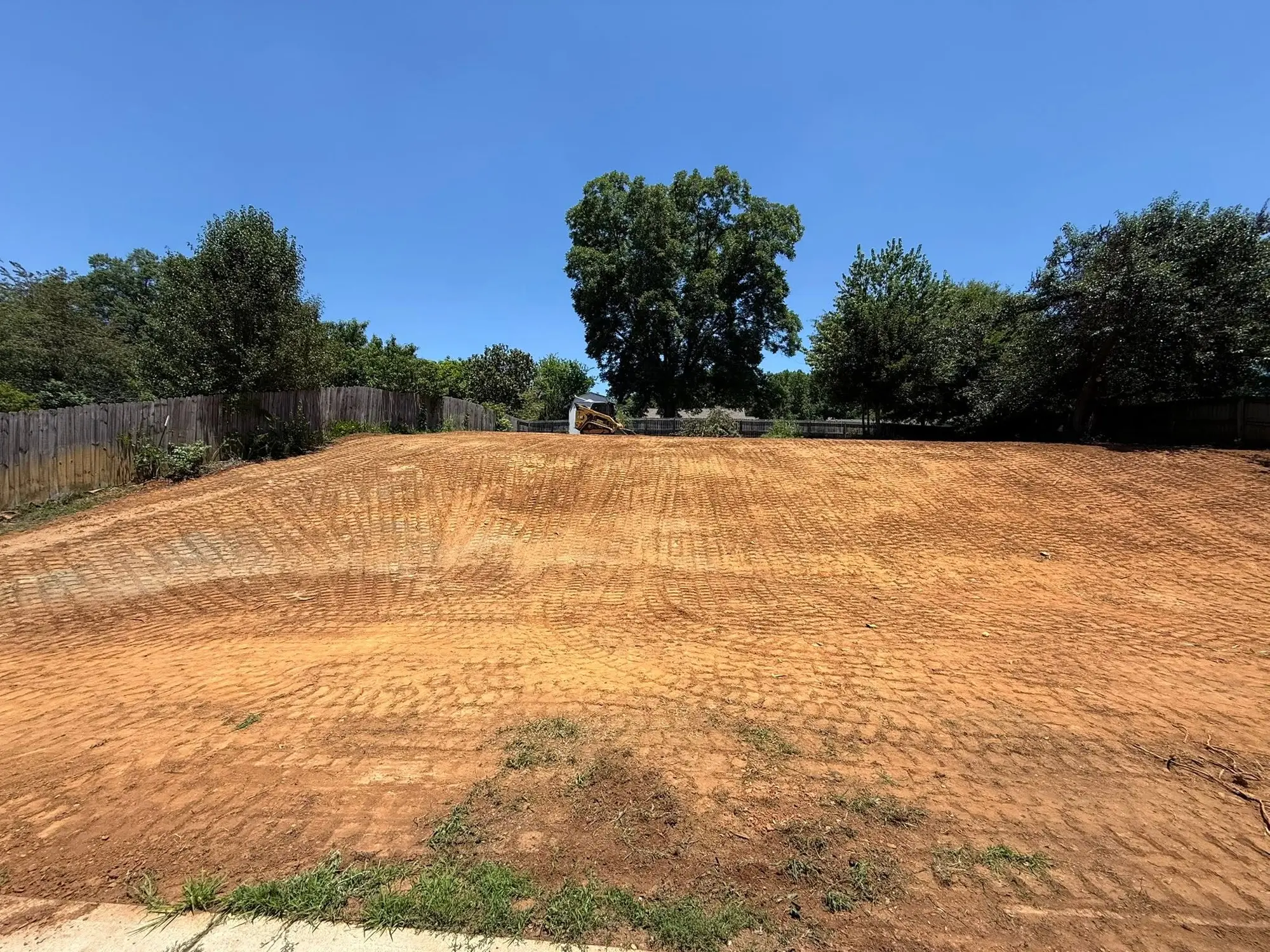
Large residential yard graded by TerraCraft
Residential yard shaping
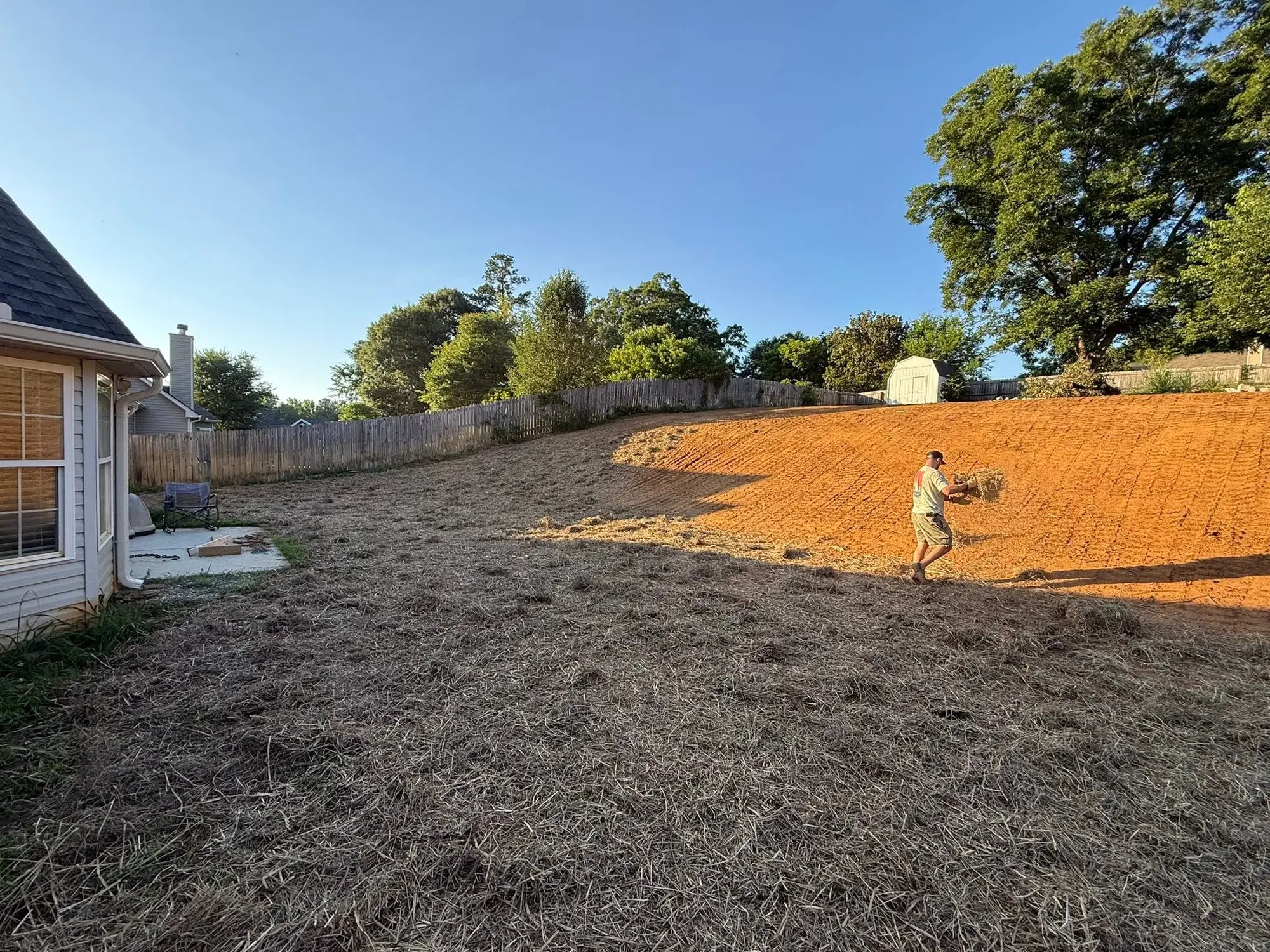
Finish grading and slope preparation beside an Athens area home
Slope and finish preparation
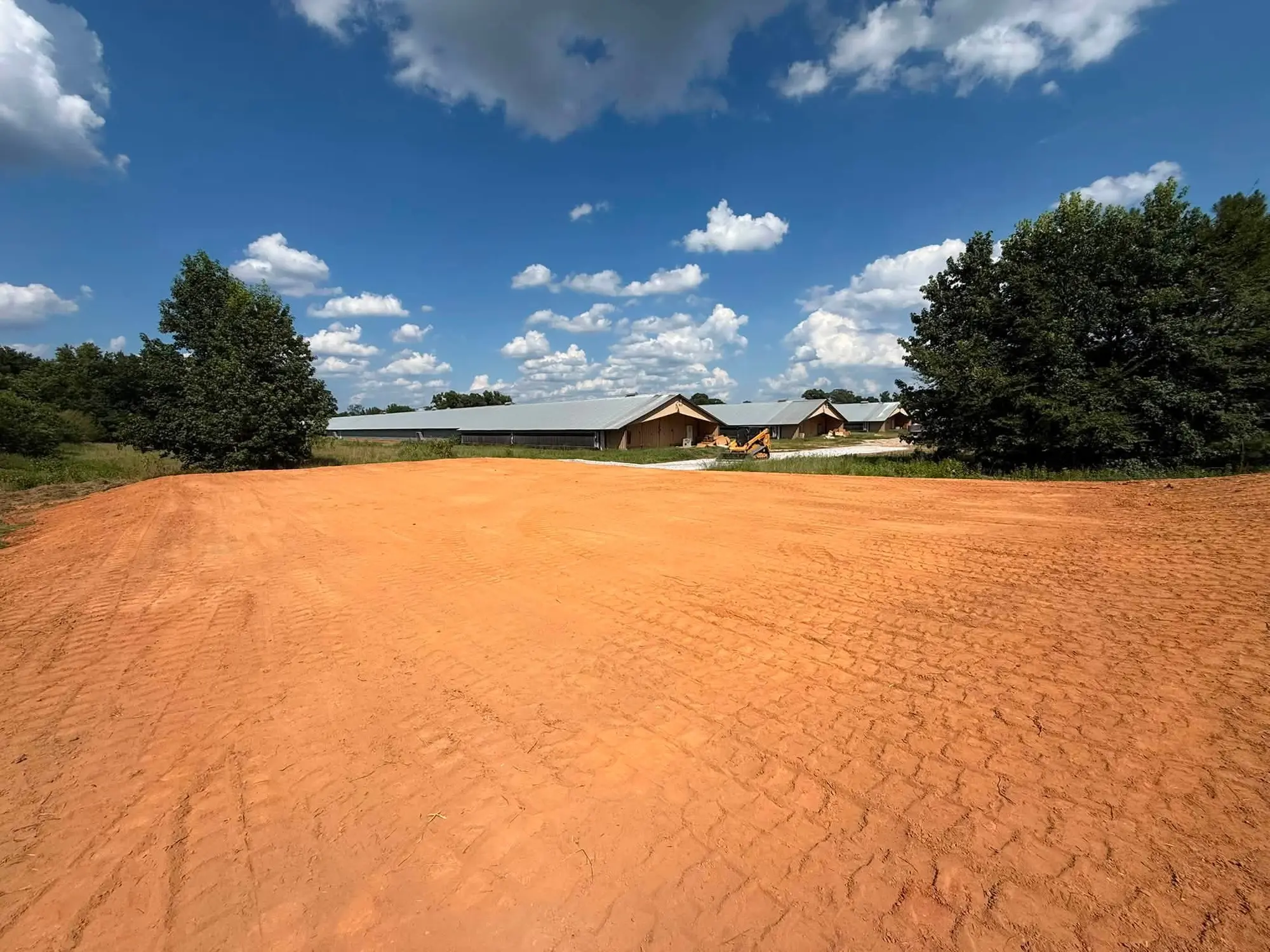
Large level building area prepared with grading equipment
Large site preparation

Local project knowledge

Grading Across Northeast Georgia

Serving Athens–Clarke County, Oconee, Jackson, Barrow, Madison, Oglethorpe, Banks, Walton, Franklin, Hall, Elbert, Hart, and surrounding Northeast Georgia communities.

Georgia red clay, rolling terrain, sudden runoff, wooded access, and active construction sites each influence the grading plan. We evaluate the actual property instead of applying a generic solution.

Athens–Clarke • Oconee • Jackson • Barrow • Madison • Oglethorpe • Banks • Walton • Franklin • Hall • Elbert • Hart

Clear scope. Practical approach.

Why Choose TerraCraft for Grading?

Local Northeast Georgia service
Residential and commercial scopes
Grading, clearing, excavation, and drainage
Real project photos and relevant equipment
Plans built around access and site use
Direct communication before work begins

Straight answers before dirt moves

Grading FAQs

These answers are general. The property, plans, utilities, drainage, soil, and local requirements determine the right approach.

What is the difference between grading and excavation?

Excavation removes or relocates material to create depth or space. Grading shapes the surface into planned elevations, slopes, and drainage paths. Many projects need both.

Does grading mean making the land flat?

Not usually. Most properties need intentional slope so water moves away from structures and across the site safely.

Can grading fix standing water?

It can correct many surface-drainage problems, but some sites also require pipe, a culvert, catch basin, French drain, ditch, or erosion-control measure.

When should rough grading happen?

Typically after necessary clearing and before foundations, permanent driveways, landscaping, and final site work.

When is finish grading done?

Near the end of construction or immediately before grass, sod, gravel, concrete, landscaping, or another finished surface.

Do you grade house and building pads?

Yes. We evaluate pads for homes, garages, shops, barns, additions, and related access and drainage needs.

Can you correct a yard that slopes toward my house?

Often, yes. The surrounding elevations, available fall, property boundaries, utilities, soil, and discharge area must be reviewed first.

Do you grade gravel driveways?

Yes. Driveway work may include reshaping, restoring crown, improving drainage, spreading material, and preparing a new route.

Will you bring in fill dirt?

When imported material is needed, its type, quantity, delivery access, placement, and compaction expectations are included in the project plan.

Can dirt from one part of my property be used elsewhere?

Sometimes. Suitability depends on the material, moisture, volume, intended use, and whether moving it creates another grading or drainage problem.

Can grading be done around an existing home?

Yes, when equipment access, utilities, structures, landscaping, trees, septic components, and property limits allow the work to be performed safely.

Do you handle erosion problems?

We can reshape slopes and runoff paths and coordinate related measures. Severe or regulated erosion issues may require an engineered or permitted solution.

How long does grading take?

Small corrections may take a day, while pads, large yards, commercial sites, or multi-phase projects take longer. Weather, soil, access, hauling, and scope all affect timing.

Can you work from construction plans?

Yes. Plans, benchmarks, foundation requirements, utility layouts, and builder instructions should be shared before work begins.

Do I need a permit?

Requirements vary by property, jurisdiction, disturbed area, drainage impact, and project type. The owner or general contractor should confirm applicable requirements before work starts.

How much does grading cost?

Pricing depends on area, elevation change, soil, access, vegetation, equipment, drainage, imported or exported material, finish level, and project duration.

Can you grade for a future shop or barn?

Yes. The intended footprint, finished elevation, entrance, door approach, drainage, and future utilities should be considered together.

What should I do before requesting an estimate?

Share the property address, intended use, photos, plans if available, known utilities, access limitations, and the outcome you want.

What areas do you serve?

Serving Athens–Clarke County, Oconee, Jackson, Barrow, Madison, Oglethorpe, Banks, Walton, Franklin, Hall, Elbert, Hart, and surrounding Northeast Georgia communities.

How do I get started?

Call 706-480-8220 or use the estimate form below. Photos and a clear description help us understand the project before the site visit.
Tell us about the property

Request a Free Grading Estimate

Share the address, intended use, known problem areas, and any photos or plans you have. We will follow up to discuss the site and next step.

706-480-8220

Serving Athens–Clarke County, Oconee, Jackson, Barrow, Madison, Oglethorpe, Banks, Walton, Franklin, Hall, Elbert, Hart, and surrounding Northeast Georgia communities.

Lead from Website/Skylar

Submitting this form opens the secure email delivery service used by this website.

Or call 706-480-8220
Call NowFree Estimate