TerraCraft Excavation
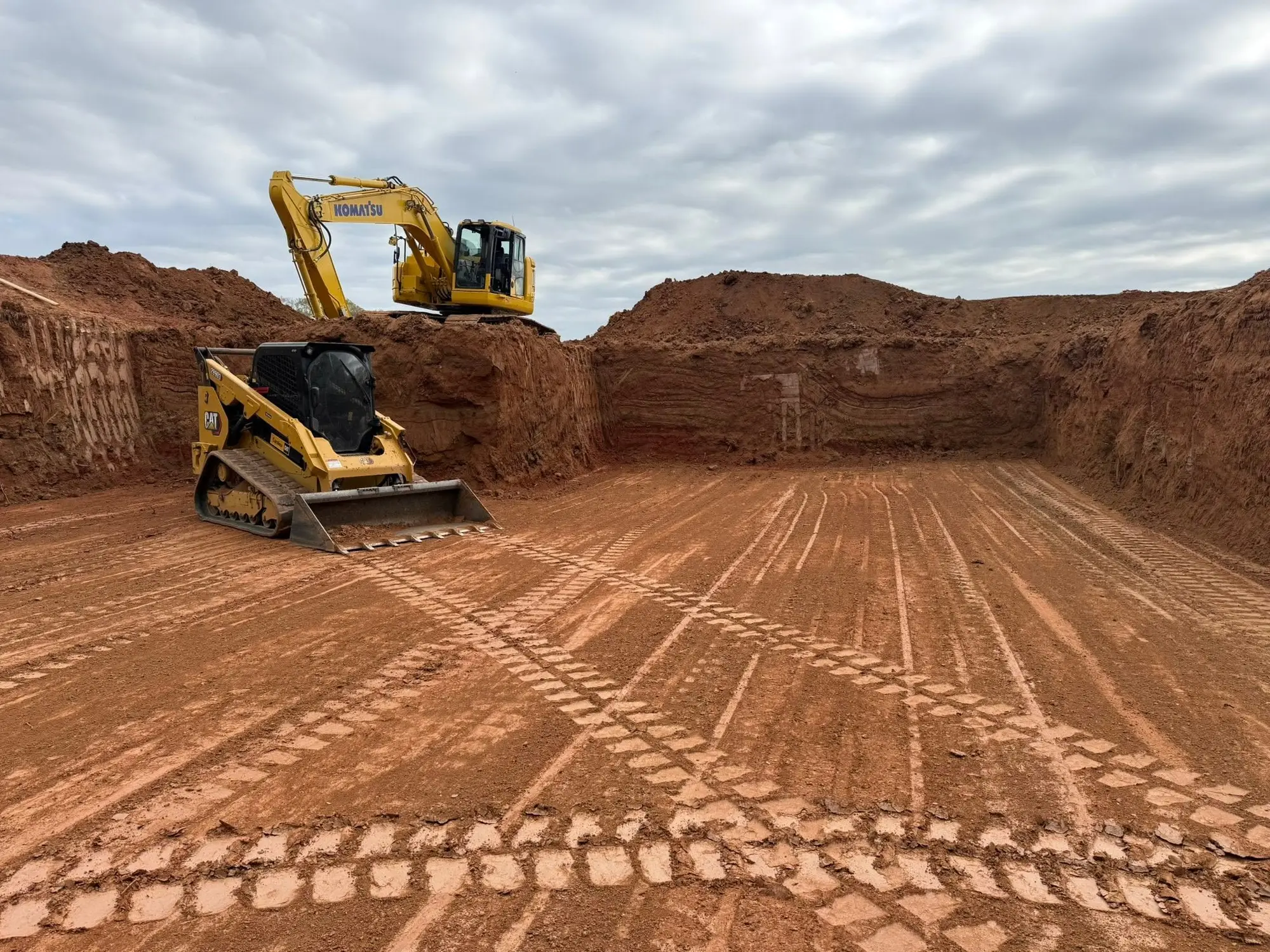
Excavator and compact track loader working across a large excavation area

Homes, businesses, and building sites

Excavation Contractor in Athens, GA

TerraCraft provides residential and commercial excavation for foundations, building sites, utility trenches, drainage, access, ponds, and earthmoving across Northeast Georgia.

Residential excavationCommercial site workClear project scopesNortheast Georgia service

Plan the complete site

Excavation Is More Than Digging a Hole

Good excavation begins with what is being built, the required depth and elevation, soil conditions, utilities, water flow, equipment access, material placement, and how the next contractor will use the site.

A hole can be the right size and still cause problems if the elevation is wrong, soil is unstable, water has nowhere to go, or excavated material is left in the wrong place. TerraCraft looks at the whole project—not only the area beneath the bucket.

Tell us about your project →

Helpful information for the first call

Planning an Excavation Project?

Property address
Short project description
Photos of the work area
Plans or surveys when available
Expected project timeline
Gates, slopes, narrow access, or restrictions

You do not need every detail before calling. The initial conversation can help identify which plans, measurements, site information, or professional input may be needed next.

Property improvements and new construction

Residential Excavation Services

Residential excavation can range from a narrow utility trench to preparation of an entire homesite. Existing homes, septic areas, wells, landscaping, fences, overhead lines, private utilities, soft ground, and narrow access can all affect the plan.

New homesHome additionsGarages and workshopsBarns and agricultural buildingsFoundations and footingsBasements and crawlspacesHouse padsDriveways and access roadsDrainage improvementsUtility trenchesCulvertsPondsRetaining-wall preparationPool excavationDemolition cleanupDirt removal and earthmoving
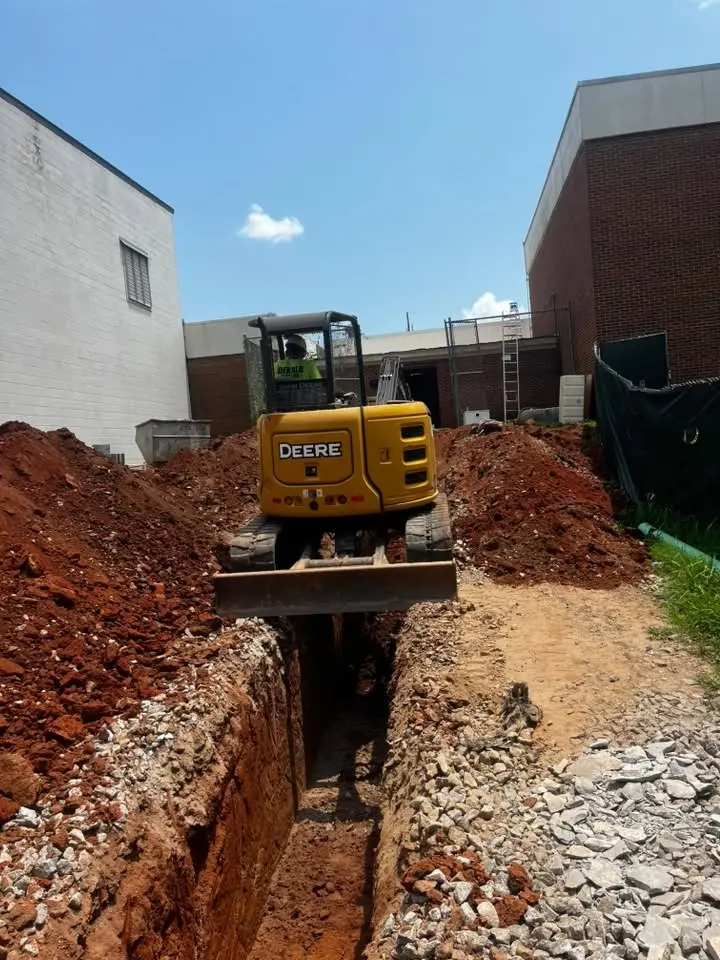
Mini excavator completing a utility trench beside an existing building

Excavation around existing homes

Working near a home requires clear access, known utility information, work limits, material placement, and protection plans for driveways, landscaping, fences, foundations, septic components, and neighboring property.

New-home construction

New homes often connect land clearing, access, rough grading, house-pad preparation, foundation excavation, drainage, utility work, and final grading. Each stage affects the next.

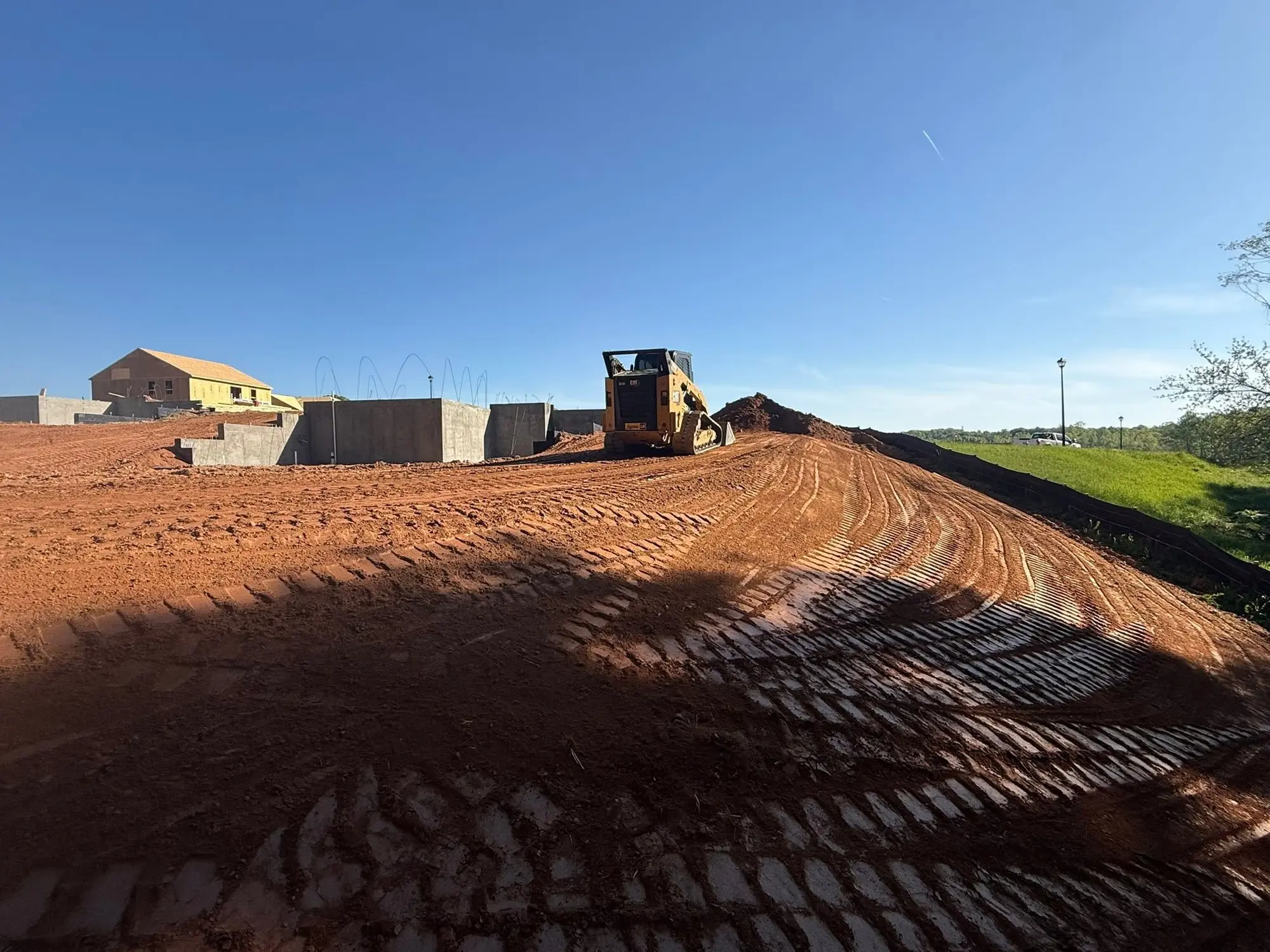
Compact track loader shaping a commercial-scale building site

Plans, elevations, access, and coordination

Commercial Excavation Services

Commercial dirt work should define the work area, required elevations and depths, material reuse or removal, staging, erosion-control needs, utility conflicts, and expected finish.

Building-site excavationFoundation excavationCut-and-fill operationsUtility trenchingStormwater excavationParking-area preparationAccess-road constructionMaterial removalSoil relocationBuilding-pad excavationDemolition-related excavationGeneral site earthwork

Plans help define the work, but actual access, soil, rock, water, structures, and site conditions still require review.

Discuss a Commercial Project

Excavation built around what comes next

Our Excavation Services

01

Foundation excavation

Creates space for footings, walls, crawlspaces, basements, slabs, drainage, waterproofing access, and inspections according to the project plans.

02

Building-site excavation

Removes, relocates, or reshapes soil for homes, shops, barns, garages, commercial buildings, and other planned structures.

03

Basements and crawlspaces

Accounts for depth, building dimensions, working room, soil stability, drainage, spoil placement, and equipment access.

04

Footings and slabs

May include shallow excavation, trenches, elevation adjustments, and preparation for stone, forms, reinforcement, or concrete.

05

Utility trenching

Creates routes for water, conduit, drainage, communications, propane, irrigation, and other utilities using requirements supplied for the project.

06

Drainage excavation

Supports swales, pipe, culverts, outlets, erosion repair, and runoff control after the source and destination of water are considered.

07

Driveways and access

May remove soft soil, shape the roadbed, address drainage, install culverts, and prepare the route for aggregate or another surface.

08

Pond excavation

May involve excavation, material relocation, slopes, inlets, outlets, dam areas, and site-specific soil and water conditions.

09

Retaining-wall preparation

Creates room for the designed base, drainage stone, pipe, reinforcement, geogrid, backfill, and equipment access.

10

Pool excavation

Requires confirmed layout, equipment access, working room for the installer, utility locating, and a plan for excess material.

11

Cut-and-fill earthmoving

Moves soil from higher areas to lower areas while considering planned elevation, drainage, soil type, compaction needs, and future use.

12

Material relocation

Defines whether excavated soil is reused, stockpiled, spread, hauled away, or replaced with more suitable material.

Related work, clearly separated

Excavation, Clearing, Site Preparation, and Grading

Excavation

Removes or relocates soil, rock, and material to create depth, space, or the rough shape required for construction.

Site preparation

The broader sequence that may combine clearing, excavation, access, drainage, hauling, grading, and pad preparation. View site preparation.

Grading

Shapes the ground into planned elevations, slopes, drainage paths, roadbeds, or contours. View grading services.

Why the sequence matters

Access, clearing limits, drainage, elevations, hauling, utilities, excavation, and grading should be considered before the first machine moves. The wrong order can create rework.

Plan the Project

The largest machine is not always the right one

Equipment Selected for the Excavation

TerraCraft project photos show mini excavators and compact track loaders. Excavators support digging, trenching, loading, obstruction removal, and work below the machine. Compact track loaders move material, shape work areas, spread soil or stone, and clean excavation edges.

Buckets and attachments should match the depth, material, working room, required precision, and cleanup. When material must leave the property, truck access, loading room, road conditions, volume, and placement must also be planned.

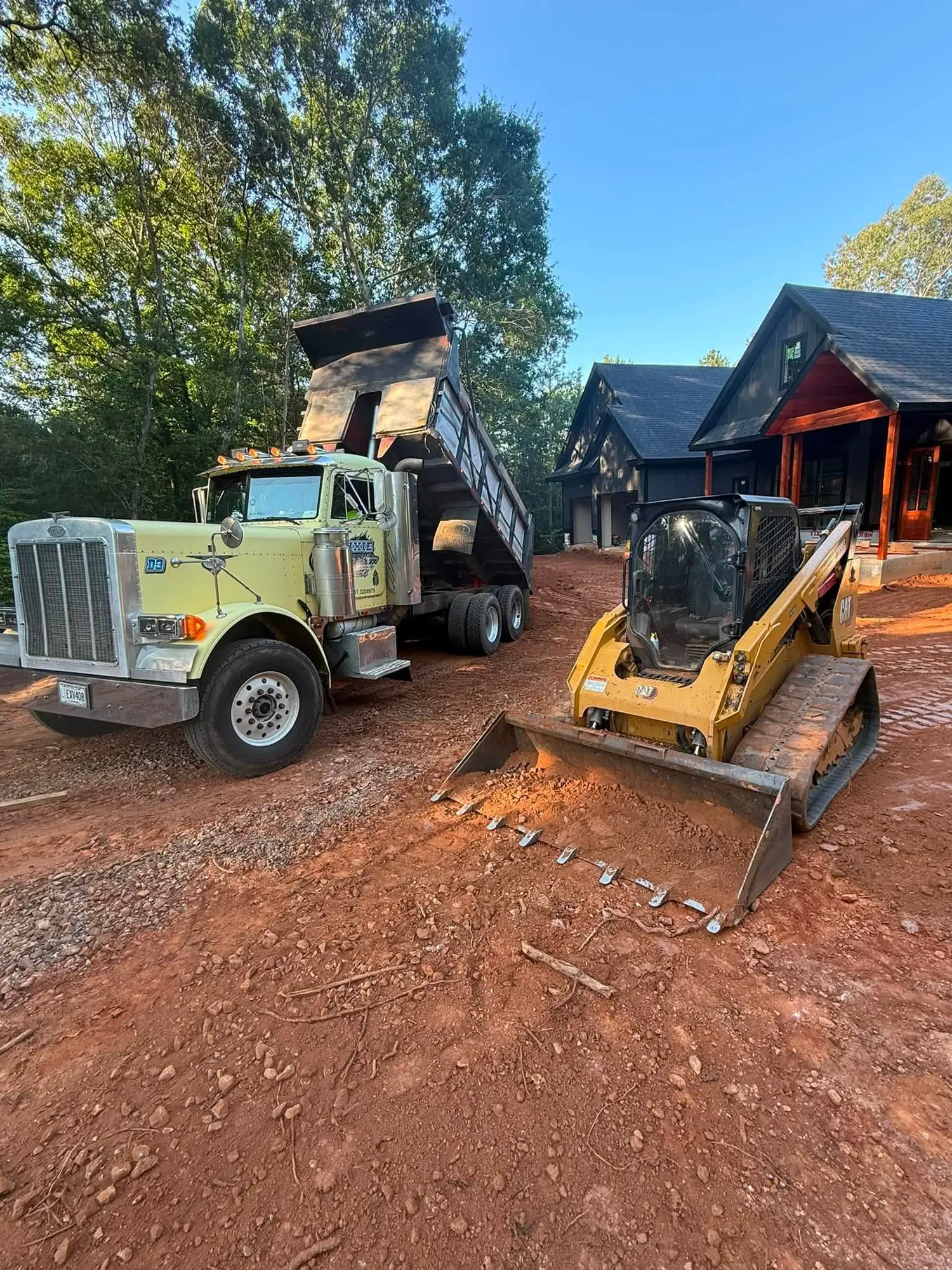
Compact track loader and dump truck handling excavated material

From first conversation to handoff

Our Excavation Process

01

Initial project discussion

Share the property location, project type, approximate dimensions, photos, available plans, preferred timing, and known access or drainage concerns.

02

Site review

Evaluate equipment and truck access, slope, visible soil and rock, structures, utilities, water flow, material placement, and the condition needed at completion.

03

Scope development

Define the work area, depth, dimensions, material handling, backfill, compaction, grading, cleanup, hauling, exclusions, and responsibilities.

04

Plans, utilities, and approvals

Clarify required plans, utility locating, boundaries, permits, engineering, inspections, and who is responsible for each item.

05

Access and site preparation

Prepare a practical equipment route, move obstacles, identify protected areas, and establish staging and stockpile locations.

06

Excavation and earthmoving

Complete the agreed excavation using available plans, field layout, and actual site conditions while handling material as specified.

07

Elevation and site review

Review depth, width, location, elevation, slope, drainage route, access, material placement, and readiness for the next contractor.

08

Cleanup and handoff

Leave the site in the condition defined by the scope, which may include loose-debris cleanup, rough shaping, stockpiles, or preparation for the next phase.

Common uses for excavation

Projects TerraCraft Can Evaluate

New homes and buildings

Homes, shops, garages, barns, additions, foundations, pads, drainage, utilities, and access.

Property infrastructure

Driveways, private roads, drainage repairs, utility routes, culverts, retaining-wall preparation, and ponds.

Special excavation

Pools, demolition cleanup, material removal, earthmoving, and improvements that require defined ground work.

Actual conditions determine the estimate

What Affects the Cost of Excavation?

Project size and depth

Larger or deeper work can require more machine time, working room, material handling, hauling, and safety planning.

Soil, rock, and obstructions

Clay, saturated ground, roots, buried debris, old concrete, unknown fill, and rock can change production and equipment needs.

Equipment access

Narrow routes, slopes, soft yards, overhead restrictions, and work beside existing structures may require a different approach.

Material hauling

Volume, material type, loading space, truck access, travel distance, and the placement or disposal location all matter.

Imported material

Stone, structural fill, topsoil, delivery, spreading, and compaction should be identified separately when required.

Water and drainage

Standing water, groundwater, active runoff, unstable soil, and poor outlets can slow work and affect the plan.

Required accuracy

General earthmoving is different from work that must meet engineered elevations, slopes, or tight foundation dimensions.

Finish and restoration

Excavation only, rough cleanup, backfill, compaction, rough grading, finish grading, and landscaping are different completion standards.

Ask what condition the property will be left in. Excavation only, rough cleanup, backfill and compaction, rough grading, finish grading, and landscaping are different scopes.

Compare scope, not only price

How to Compare Excavation Estimates

A lower number may not include the same work. Compare dimensions, depth, access, material placement, hauling, imports, backfill, compaction, grading, drainage, cleanup, utilities, permits, and exclusions.

A useful estimate should make clear what the contractor is providing and what the owner or another contractor must handle.

Reduce delays before equipment arrives

How to Prepare for Excavation Work

Confirm and mark the work area
Identify reliable property boundaries
Share public and private utility information
Move vehicles, trailers, furniture, and obstacles
Decide whether soil is reused, spread, stockpiled, or hauled
Keep children, visitors, pets, and livestock away
Notify builders, concrete crews, utility installers, surveyors, or engineers

Athens and Northeast Georgia

Excavation Service Area

TerraCraft serves Athens, Watkinsville, Bogart, Bishop, Jefferson, Commerce, Winder, Monroe, Lexington, Danielsville, Hartwell, Royston, Elberton, Gainesville, Braselton, Hoschton, Statham, Madison, Hull, Winterville, Crawford, Nicholson, Homer, Lavonia, Carnesville, and nearby communities.

Project availability depends on location, access, scope, and site conditions. Call with the project address to discuss the next practical step.

Serving Athens–Clarke County, Oconee, Jackson, Barrow, Madison, Oglethorpe, Banks, Walton, Franklin, Hall, Elbert, Hart, and surrounding Northeast Georgia communities.

Real TerraCraft project photos

Excavation and Earthwork in Progress

Mini excavator working in a defined utility trench
Excavator and compact track loader in a large earthwork area
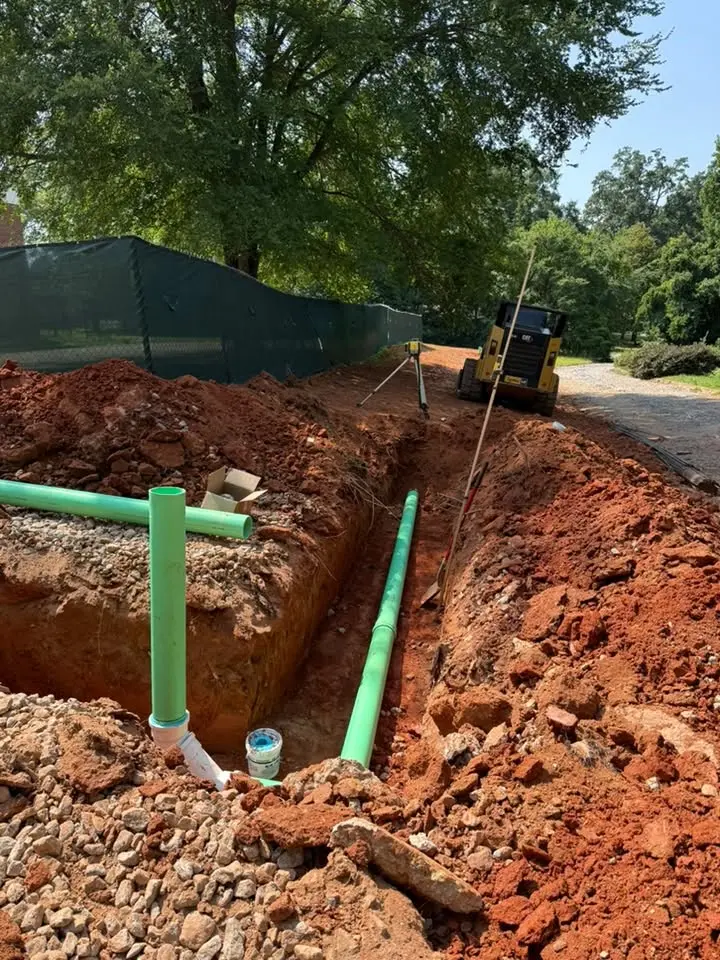
Pipe trench and excavation prepared around existing property features

A scope that supports the next phase

Why Choose TerraCraft Excavation?

Whole-site thinking

Excavation affects access, drainage, foundations, utilities, grading, hauling, and the contractors who follow.

Clear project scope

Customers should understand the included work, material plan, completion condition, and exclusions.

Practical equipment selection

Machine size and attachments should fit the work area, precision, access, and surrounding property.

Thoughtful sequencing

Clearing, excavation, drainage, utilities, grading, and construction need to happen in a practical order.

Direct communication

Site conditions, access, material, and scope questions should be addressed before they become larger problems.

Residential and commercial work

TerraCraft evaluates excavation for homeowners, builders, property owners, businesses, and commercial projects.

Useful answers before excavation begins

Frequently Asked Questions About Excavation

What does an excavation contractor do?

An excavation contractor digs, removes, relocates, and shapes soil or other ground material for foundations, trenches, ponds, drainage, building sites, driveways, and property improvements.

What is the difference between excavation and grading?

Excavation creates depth, space, or a rough shape by removing or relocating material. Grading shapes the surface into planned elevations, slopes, drainage paths, or contours.

What is the difference between excavation and site preparation?

Excavation is one part of site preparation. A complete site-preparation plan may also include clearing, access, drainage, grading, erosion control, hauling, and pad work.

How much does excavation cost?

Cost depends on size, depth, soil, rock, access, equipment, hauling, imported material, water conditions, accuracy requirements, and the finish requested. A site review may be needed.

Can an estimate be prepared from photos?

Photos, videos, plans, and measurements can help start the conversation. An on-site review may still be required when access, soil, slope, drainage, utilities, or hauling affect the scope.

How long does excavation take?

Timing varies by project size, ground conditions, access, hauling, weather, inspections, utility locating, and coordination with other contractors.

Do I need building plans before calling?

Not always. You can contact TerraCraft early, although plans, surveys, foundation drawings, or engineered details may be required before some work can be finalized.

Who is responsible for permits?

Responsibility depends on the project, location, and written agreement. The owner, contractor, engineer, or another party may handle different approvals. Confirm this before work starts.

Do utilities need to be marked?

Public utility locating should be completed before mechanized excavation. Owners must also disclose known private lines, wells, septic systems, irrigation, propane, and other underground improvements.

Can excavation be completed near an existing house?

Possibly, depending on access, depth, soil, utilities, foundation conditions, nearby structures, and the room available for safe equipment operation.

Can compact equipment work in a fenced yard?

Some restricted-access work can be completed with compact equipment after gate width, overhead clearance, slope, ground conditions, depth, and the travel route are evaluated.

What happens to excavated dirt?

Material may be stockpiled, reused, spread, loaded, or hauled. The plan for excess material should be included in the written scope.

Can excavated soil be reused?

Sometimes. Suitability depends on soil type, moisture, debris, intended placement, and project requirements. Soil suitable for shaping may not be structural fill.

What happens if rock is found?

Significant rock or unexpected obstructions can affect equipment, schedule, and price. The next step should be discussed before added work proceeds.

Can excavation be completed in wet ground?

It depends on soil, access, slope, work type, and water volume. Saturated conditions can damage access and make excavation, backfill, or grading unstable.

Does excavation include backfilling?

Only when the scope includes it. Backfill, imported material, compaction, grading, and cleanup should be identified in the estimate.

Does excavation include final grading and grass?

Not automatically. Rough grading, finish grading, topsoil, seed, straw, sod, and landscaping are separate unless specifically included.

Can TerraCraft excavate utility trenches?

TerraCraft provides trenching and utility excavation. The appropriate contractor may need to specify route, depth, bedding, materials, separation, inspection, and installation requirements.

Can excavation fix a drainage problem?

Excavation can be part of a solution, but the water source and planned outlet must be understood. A poorly placed trench can move the problem instead of solving it.

Do you work with builders and general contractors?

TerraCraft can coordinate excavation with builders, concrete contractors, utility installers, engineers, surveyors, and other project professionals.

Do you provide residential and commercial excavation?

TerraCraft evaluates excavation for homes, improvements, building sites, businesses, contractors, and commercial properties throughout the service area.

Is land clearing available before excavation?

Land clearing may be completed when trees, brush, stumps, or vegetation block the work area. The clearing scope should be planned before excavation begins.

How should I prepare for an estimate?

Provide the property address, project description, photos, approximate dimensions, plans when available, and information about access, utilities, drainage, septic systems, wells, and boundaries.

How do I know whether TerraCraft serves my location?

Serving Athens–Clarke County, Oconee, Jackson, Barrow, Madison, Oglethorpe, Banks, Walton, Franklin, Hall, Elbert, Hart, and surrounding Northeast Georgia communities. Call 706-480-8220 with the project address.
Start with the property and intended result

Request an Excavation Estimate

Share where the property is located, what you are building or improving, the approximate work area, whether plans are available, and any access or site challenges you know about.

706-480-8220
Tell us about the project

Photos and plans can help with the initial review. An on-site evaluation may still be needed.

Or call 706-480-8220
Call NowFree Estimate