TerraCraft Excavation
TerraCraft compact track loader clearing and grading a wooded Northeast Georgia property

Property clearing across Northeast Georgia

Land Clearing in Athens, GA

TerraCraft clears residential lots, wooded property, acreage, construction areas, and overgrown land with a plan built around what you want to do next.

Residential & commercial projectsClear project planningClean job-site approachServing Northeast Georgia

Start with the intended result

Professional Land Clearing for Usable, Buildable Property

Land clearing can involve brush, trees, stumps, roots, access, slopes, drainage, debris, cleanup, and follow-up grading. Cutting vegetation is only one part of the decision.

A homesite, pasture, driveway, hunting trail, and viewshed each need a different approach. The future use of the land determines which growth must go, which trees should remain, how stumps are handled, and what finish is useful.

Discuss your property →

A practical first step

When Land Clearing Is the Right First Step

Preparing to build a home
Reclaiming an overgrown property
Opening a wooded lot
Expanding usable yard space
Creating access for a driveway
Clearing for a barn, garage, or shop
Restoring pasture
Opening hunting trails
Clearing fence lines
Improving road frontage
Cleaning up storm damage
Creating access for future excavation or drainage work

Some properties call for forestry mulching, some need traditional clearing, and some benefit from both. Vegetation, stump needs, access, debris, and the planned use determine the right approach.

From tight lots to broad acreage

Properties and Areas We Clear

Residential and building areas

Residential lots, wooded homesites, new-home construction areas, yard expansions, shops, outbuildings, driveway corridors, and viewsheds.

The clearing limits and finished condition should match what will be built or used next.

Commercial and development areas

Commercial property, construction sites, building footprints, material-staging areas, road frontage, and equipment-access areas.

Phased work can keep clearing aligned with access, construction, and material-handling needs.

Rural and agricultural property

Farms, pastures, large acreage, hunting land, trails, fence lines, and field edges.

Selective work can improve access and reclaim useful ground while keeping vegetation that serves a purpose.

Reclamation and cleanup

Overgrown property, storm-damaged areas, fallen trees, dense brush, neglected land, and unused road frontage.

The plan should address both the vegetation and what happens to the material after it is cleared.

Scope built around the property

Land Clearing Services Available

The exact methods and debris options are confirmed after the site and intended result are evaluated. The descriptions below explain common clearing decisions without promising a method that may not fit every property.

01

Brush clearing

Removes dense brush, vines, and smaller growth that limit access or hide the shape of a property. The intended finish determines whether follow-up grading or debris handling is needed.

02

Tree clearing

Opens areas where trees conflict with a homesite, access route, or future use. Tree size, nearby structures, disposal, and stump needs must be evaluated before the method is selected.

03

Selective clearing

Targets specific growth while keeping marked trees or protected areas. Clear limits should be easy to identify before equipment begins moving.

04

Lot clearing

Prepares a defined lot for a home, yard, outbuilding, or other planned use. Clearing alone may not include excavation, drainage, driveway construction, or final grading.

05

Construction site clearing

Creates room for a building footprint, access, and staging. Stumps and roots in structural areas may need different treatment from vegetation outside the work zone.

06

Forestry mulching

Processes suitable vegetation into mulch at the surface. Whether this method is appropriate—or available for a specific scope—depends on vegetation, stumps, access, and the planned use of the ground.

07

Stump removal planning

Stumps can interfere with foundations, driveways, grading, and mowing. The scope should identify where removal is required rather than assuming every stump needs the same treatment.

08

Debris removal planning

Defines whether material is consolidated, separated, left in an agreed area, or hauled when included. The debris plan should be settled before work starts.

09

Fence-line clearing

Opens access along existing or planned fence lines. The location of the line, nearby posts, gates, utilities, and trees to remain should be identified first.

010

Storm cleanup

Addresses fallen or damaged vegetation that blocks access or use. Trees under tension or near structures can require specialized work outside a standard clearing scope.

011

Large-property clearing

Breaks a broad project into practical work zones based on access, terrain, vegetation, debris, and future use. Acreage is only one part of the estimate.

012

Small-property clearing

Uses defined limits and controlled access around homes, fences, landscaping, and other improvements. Tight sites require careful planning, not simply smaller equipment.

Choose by outcome, not habit

Forestry Mulching or Traditional Clearing: Which Is Better?

Neither option is automatically better. Vegetation, tree size, stump requirements, future construction, desired finish, soil disturbance, debris handling, access, and budget all matter.

DecisionForestry mulchingTraditional clearing
Main purposeReduce suitable vegetation at the surfaceRemove vegetation and prepare defined work areas
Best applicationsBrush, saplings, trails, selective property improvementHomesites, building footprints, access, and areas needing stump removal
Material outcomeMulched material generally remainsMaterial is handled according to the agreed debris plan
Stump treatmentMay leave stumps and rootsCan include stump removal where the scope requires it
Soil disturbanceOften less surface disturbanceCan create more exposed soil and disturbance
Hauling needsMay reduce haulingMay require loading, hauling, or on-site consolidation
Finished surfaceMulch, stubble, roots, and uneven ground may remainCan move closer to a buildable or grade-ready area
Follow-up workMay need stump work, cleanup, or gradingMay need grading, drainage, and stabilization
Main cost factorsVegetation, terrain, access, machine timeVegetation, tree and stump size, access, debris, hauling, finish

Benefits of mulching

It can reduce suitable brush and small growth while leaving processed material on site and limiting some surface disturbance.

Limits of mulching

Stumps, roots, mulch, woody pieces, and uneven ground may remain. That finish may not be suitable for a building area.

Benefits of traditional clearing

It can better support homesites, building footprints, access, and areas where stump removal or a cleaner surface is required.

Limits of traditional clearing

It can create more disturbance and requires a clear plan for debris, hauling, grading, drainage, and exposed soil.

A combined approach

Many properties benefit from different methods in different areas—for example, more complete clearing at a building footprint and lighter treatment along trails or property edges.

Talk Through the Options

Homes, yards, and outbuildings

Residential Land Clearing

Residential clearing may reclaim overgrown land, open a wooded lot, expand usable property, prepare for a home, garage, barn, shop, or pool, improve access, open a view, or clean up storm damage.

Before work starts, the plan should identify structures, trees to preserve, property boundaries, access, septic systems, wells, private utilities, debris handling, cleanup, and any follow-up grading.

Request an Estimate
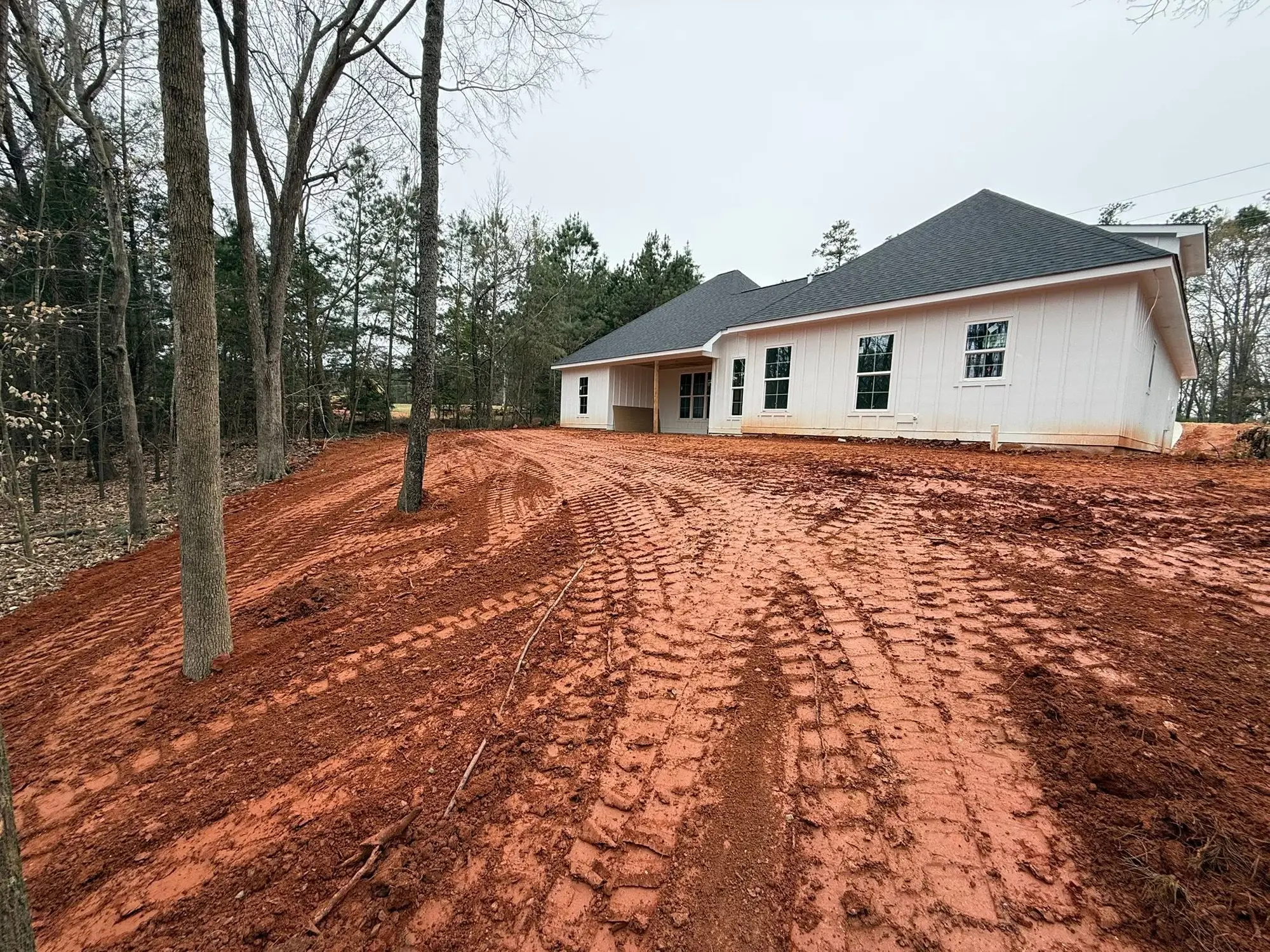
Residential homesite with cleared and graded ground around the house

From clearing limits to construction access

Land Clearing for New Home Construction

  1. 01Identify the proposed building area
  2. 02Review property access
  3. 03Mark clearing limits
  4. 04Identify trees to preserve
  5. 05Locate known utilities and private systems
  6. 06Clear the building footprint
  7. 07Create construction access
  8. 08Address stumps in required areas
  9. 09Manage debris
  10. 10Prepare for excavation, grading, drainage, or driveway work

Land clearing does not automatically include every later stage of site development. TerraCraft also has dedicated information for excavation, grading, driveways, and utility excavation.

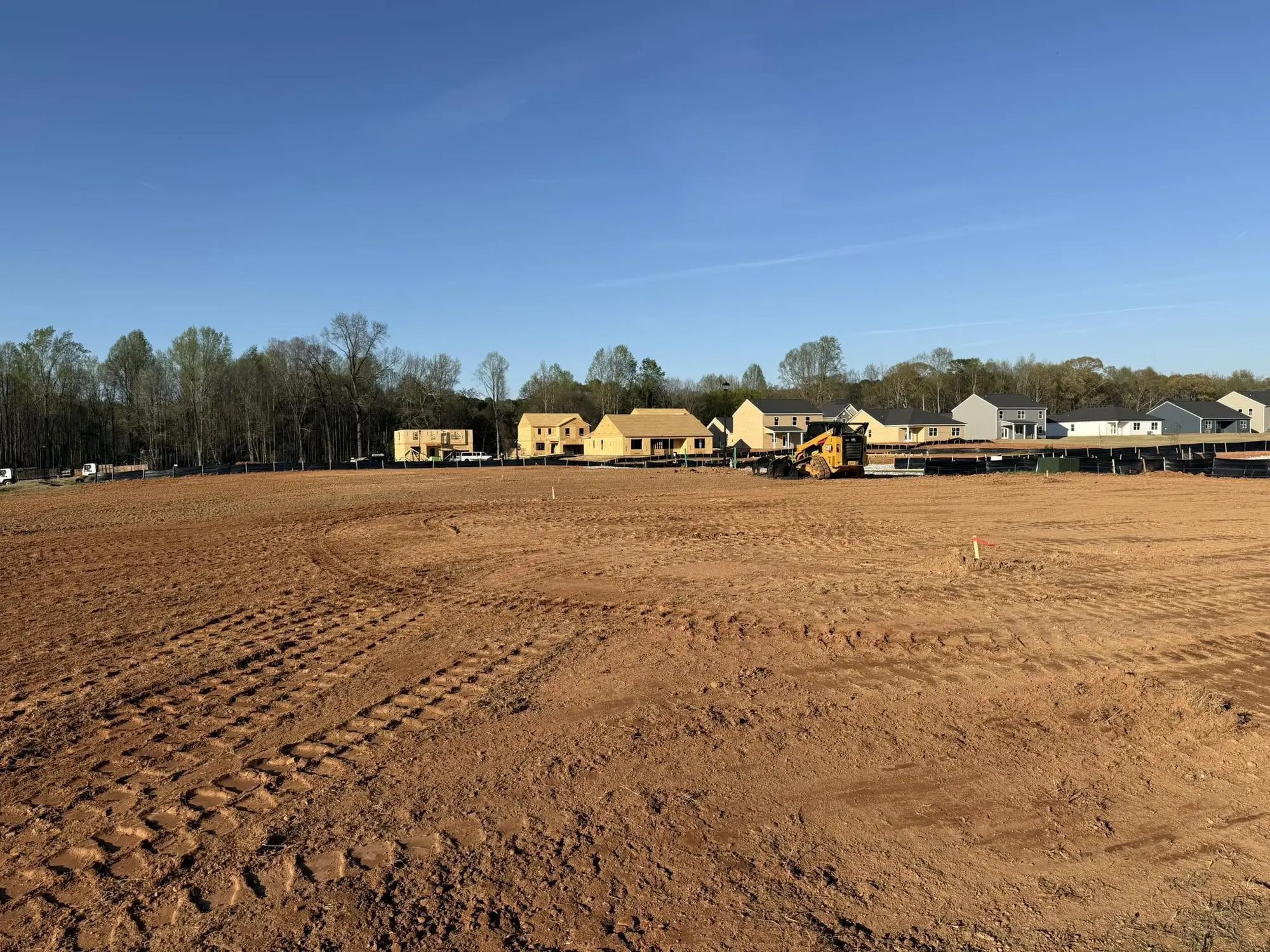
Large construction area cleared and prepared around new buildings

Defined work zones and access

Commercial Land Clearing and Site Preparation

Commercial clearing may include building footprints, access routes, parking areas, staging areas, road frontage, and utility access. The plan can be phased around the needs of owners, builders, and other contractors.

Clear work limits, material placement, equipment access, and cleanup expectations help keep the clearing scope connected to the construction plan.

Working land and useful access

Land Clearing for Farms, Pastures, and Rural Property

Pasture reclamation

Brush, saplings, field edges, access, and fence lines can be evaluated to reclaim ground without removing vegetation that still serves the property.

Hunting land and trails

Selective clearing can create access trails, sight lines, and food-plot access while keeping useful cover and clearly marked trees.

Farm and equipment access

Clearing can improve access to gates, barns, fields, work areas, and drainage features. Additional improvements should be defined separately.

Open the route before building it

Clearing for Driveways, Roads, and Property Access

A useful corridor must account for route width, equipment access, turning space, overhead branches, slope, drainage, culvert locations, future grading, and base-material installation.

Clearing a path is not the same as constructing a complete driveway. See TerraCraft’s driveway services and grading services for the next steps.

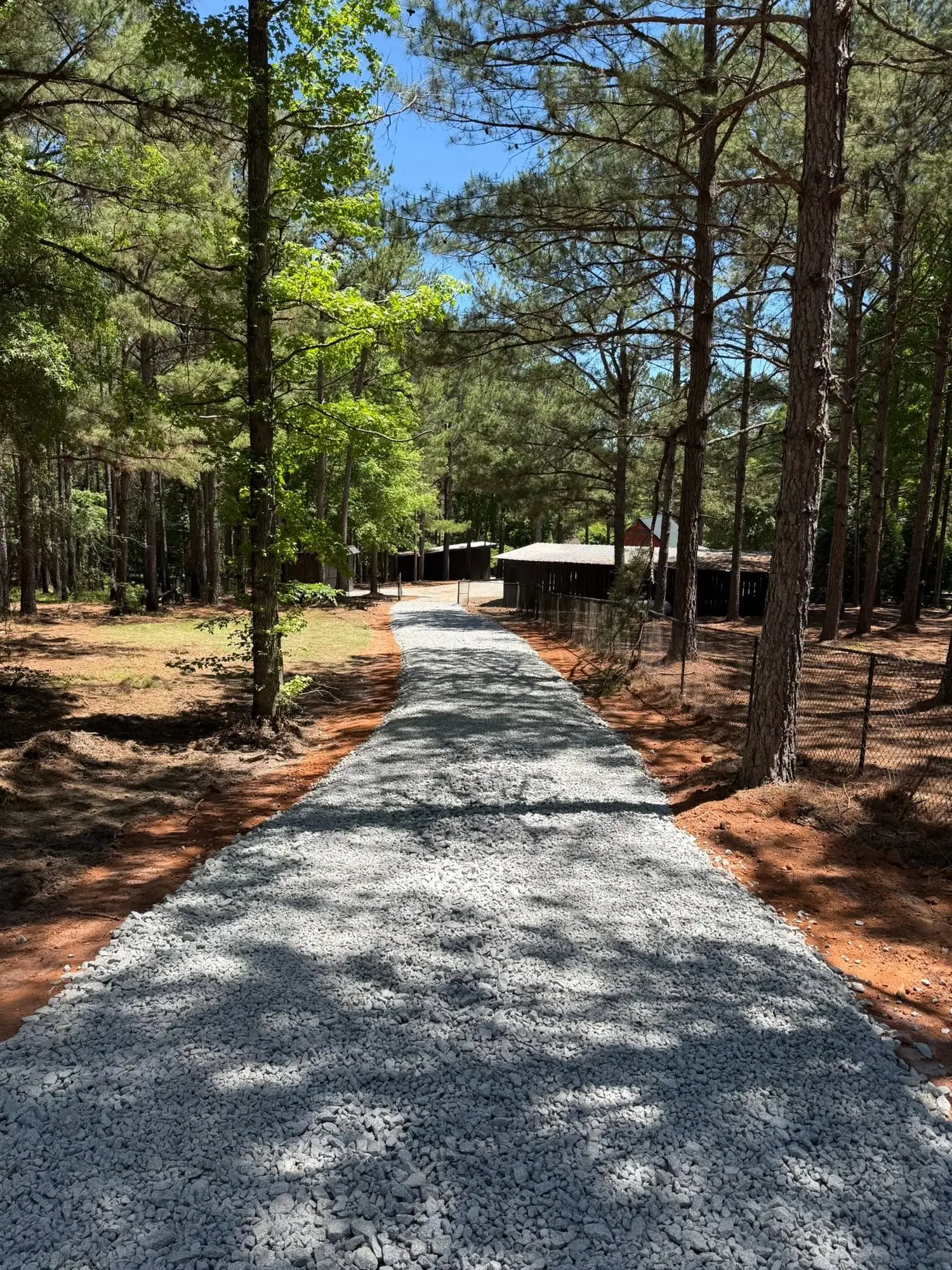
New gravel driveway providing access through a wooded property

Access the source of the problem

Land Clearing for Drainage Improvements

Vegetation may need to be removed to reach drainage problems, restore ditch access, install improvements, repair erosion, reach wet areas, or redirect runoff. Clearing alone does not solve the underlying drainage issue. The cause and follow-up work must be evaluated.

Explore utility excavation →

Why acreage is not the whole estimate

What Affects the Cost of Land Clearing?

Vegetation and stumps

Density, tree size, roots, stump requirements, and the amount of woody material shape the work.

Access and terrain

Equipment access, slope, turning space, wet or soft ground, and distance across the property affect the approach.

Debris and finish

Hauling, material placement, desired finished condition, and additional grading or excavation change the scope.

The most accurate estimate comes from reviewing the property, access, vegetation, intended use, debris plan, and desired finish.

Set the material plan first

What Happens to Cleared Trees, Brush, and Debris?

The debris plan should be discussed before work begins. Depending on the property and agreed scope, material may be mulched in place, consolidated, separated into larger logs, loaded and hauled, or left in a designated area for the owner.

Stump work and preparation for follow-up grading should also be stated in the scope. Burning, chipping, firewood cutting, and timber sales are not assumed.

Avoid preventable surprises

Planning the Work Before Equipment Moves In

Clearing limits and property lines

Identify reliable work limits before clearing. TerraCraft does not represent ordinary project marking as a professional boundary survey.

Utilities and private systems

Public lines should be marked through the proper process. Owners must disclose known private water, electrical, septic, well, irrigation, and invisible-fence systems.

Existing improvements

Homes, barns, fences, driveways, retaining walls, landscaping, and gates affect access and the protection plan.

Trees to remain

Mark trees and protected areas clearly before equipment begins working. Nearby access and root zones also matter.

Drainage and exposed soil

Clearing can expose soil and change how runoff moves. Drainage and stabilization needs must be evaluated for the specific site.

Future use

The intended home, yard, pasture, trail, driveway, or work area determines the useful level of clearing and finish.

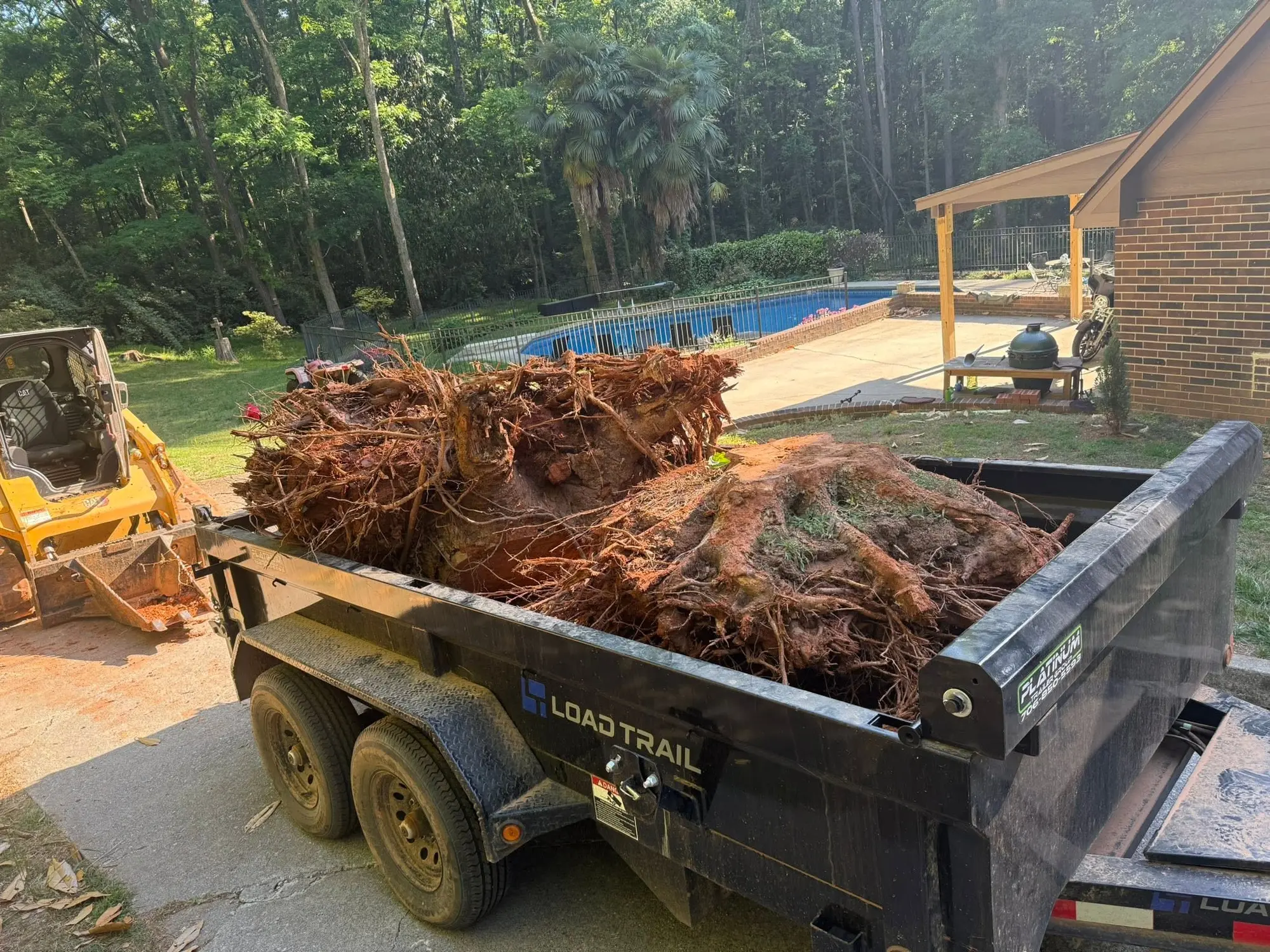
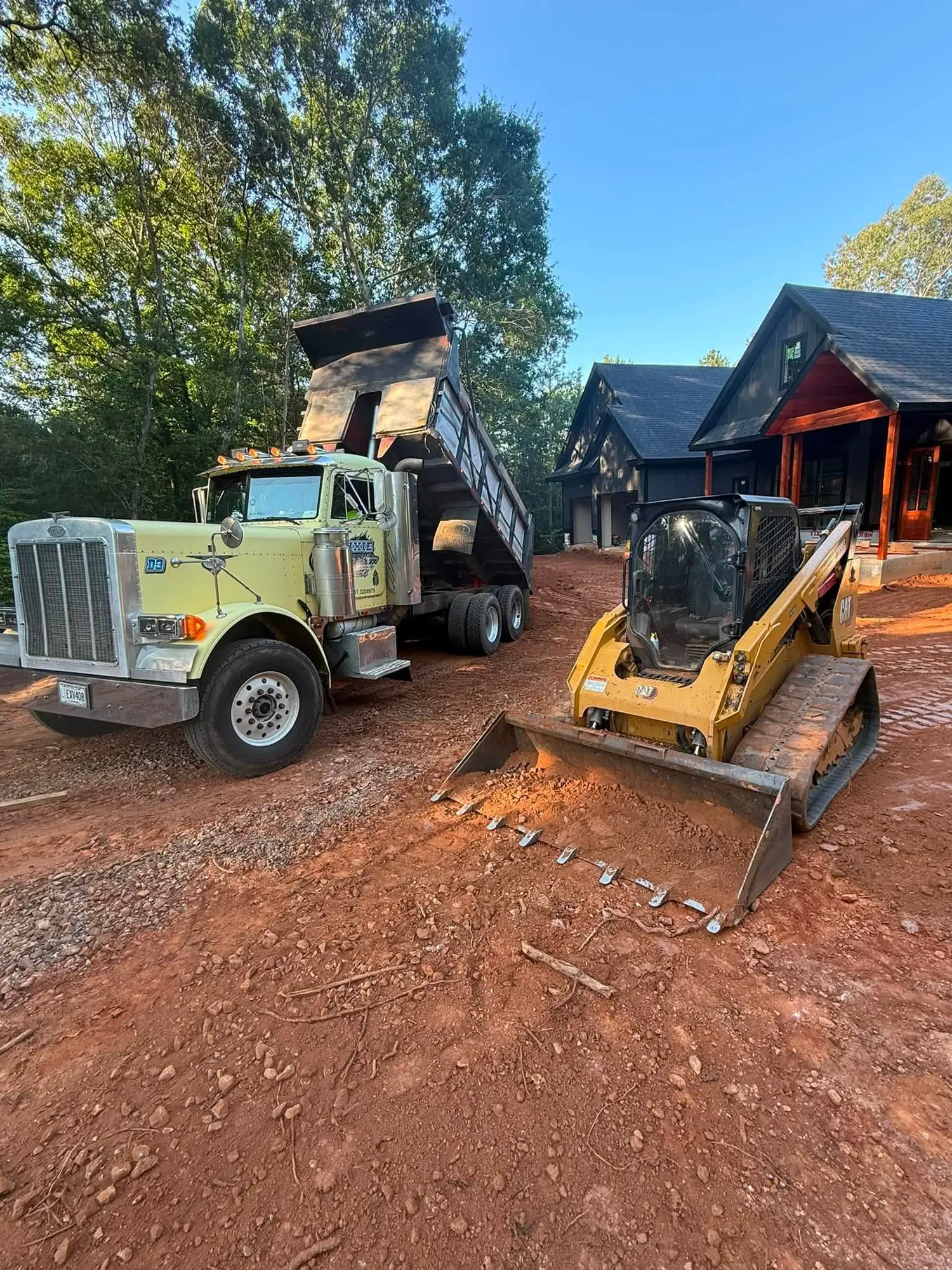
TerraCraft compact track loader working beside a dump truck

Match control and access to the site

Equipment Selected for the Property

TerraCraft project photos show mini excavators and compact track loaders. A mini excavator can provide controlled digging, stump and root work, and access in defined areas. A tracked skid steer can move material, clear and shape ground, and support cleanup.

Buckets and attachments are selected around access, material handling, selective work, cleanup, and preparation for later grading. The scope—not a generic fleet list—determines what the property needs.

A clear path from question to finished scope

What to Expect from Start to Finish

01

Initial conversation

Share the property location, approximate work area, intended result, access information, and available photos.

02

Site evaluation

Review vegetation, terrain, access, structures, known utilities, clearing limits, and debris needs.

03

Written scope and estimate

Define included work, material handling, and any work that is not part of the clearing scope.

04

Project planning

Confirm access, work limits, trees to remain, equipment staging, and material placement.

05

Clearing and cleanup

Complete the agreed work and handle debris according to the defined scope.

06

Final walkthrough

Review the finished work, remaining material, follow-up needs, and customer questions.

A useful owner checklist

How to Prepare for Land Clearing

Identify the area you want cleared
Mark important trees to keep
Locate known wells and septic components
Share information about private utilities
Unlock gates
Move vehicles, trailers, and personal belongings
Plan for pets and livestock
Decide whether any material should remain
Share the future use of the property
Identify known access restrictions

Local service without thin city pages

Land Clearing Across Athens and Northeast Georgia

TerraCraft serves property owners in Athens and Athens–Clarke County, Watkinsville and Oconee County, Jefferson and Commerce, Winder and Barrow County, Danielsville and Madison County, and Lexington and Oglethorpe County.

Service is also available in Monroe and Walton County, Gainesville and Hall County, Hartwell and Hart County, Royston and Franklin County, Elberton and Elbert County, and Banks County communities. Projects may include homesites, overgrown land, acreage, access routes, farms, and construction areas.

Serving Athens–Clarke County, Oconee, Barrow, Jackson, Madison, Oglethorpe, Banks, Walton, Franklin, Hall, Elbert, Hart, and surrounding Northeast Georgia communities.
Work shown honestly

TerraCraft Land Clearing Projects

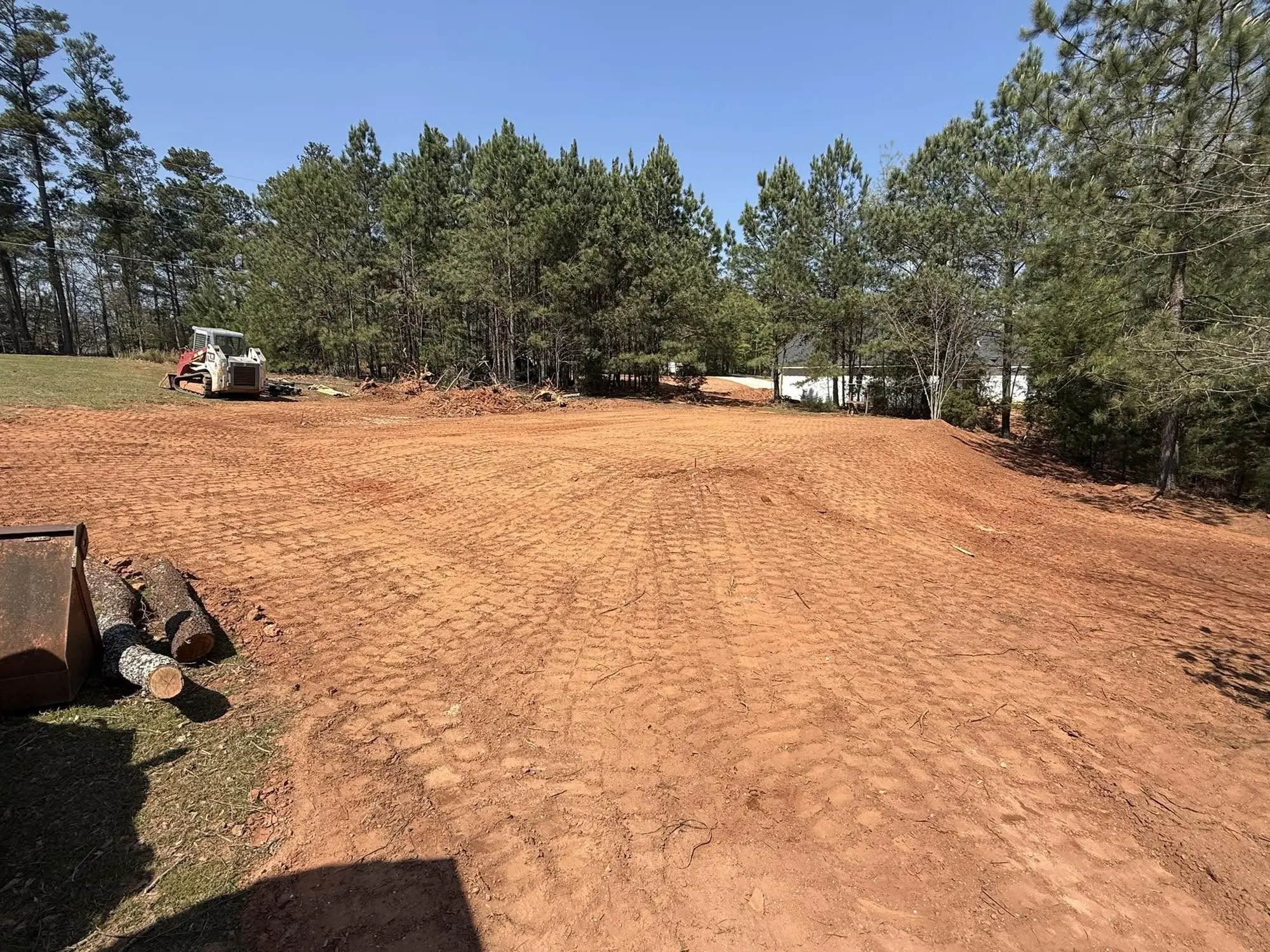
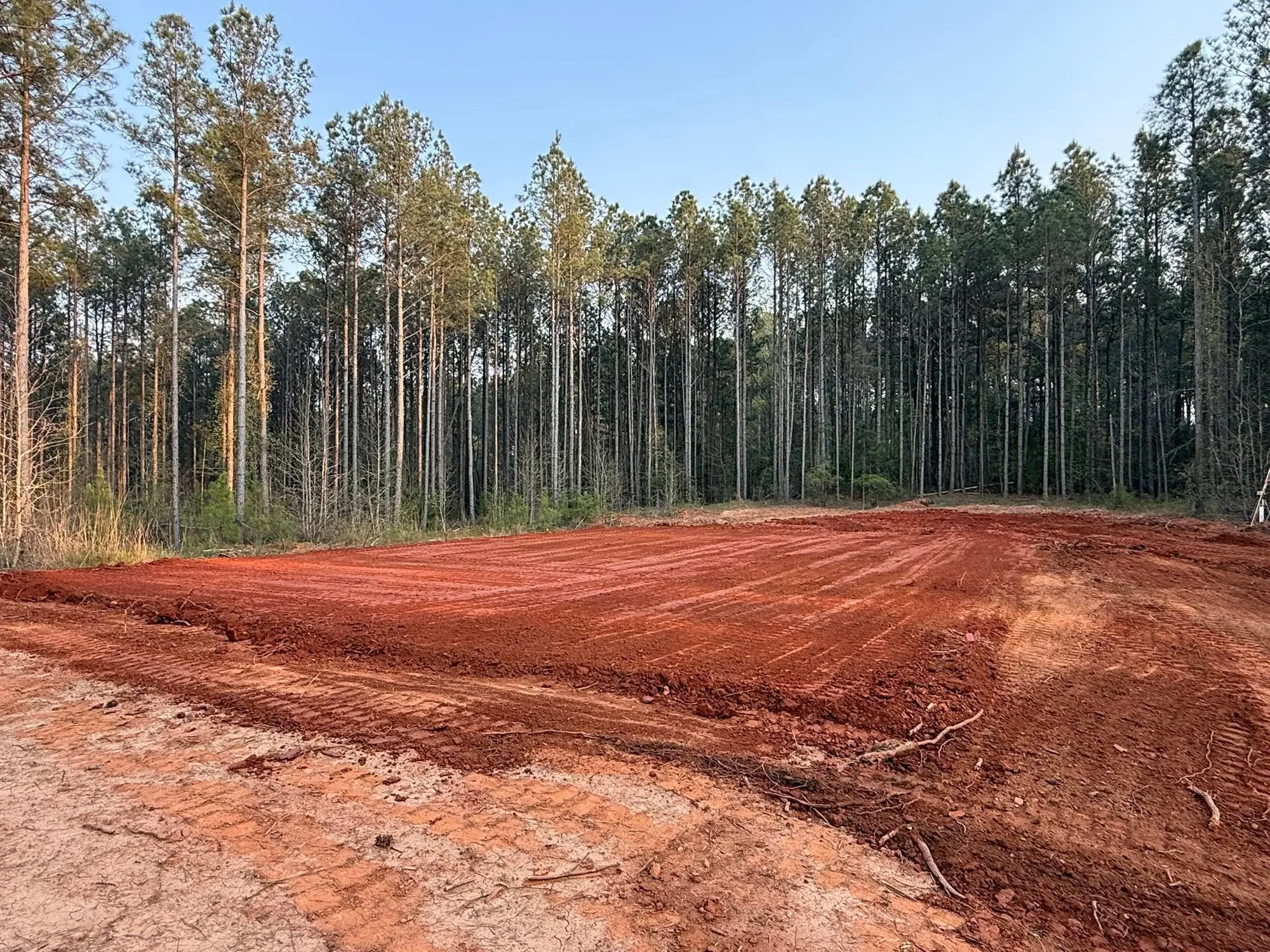
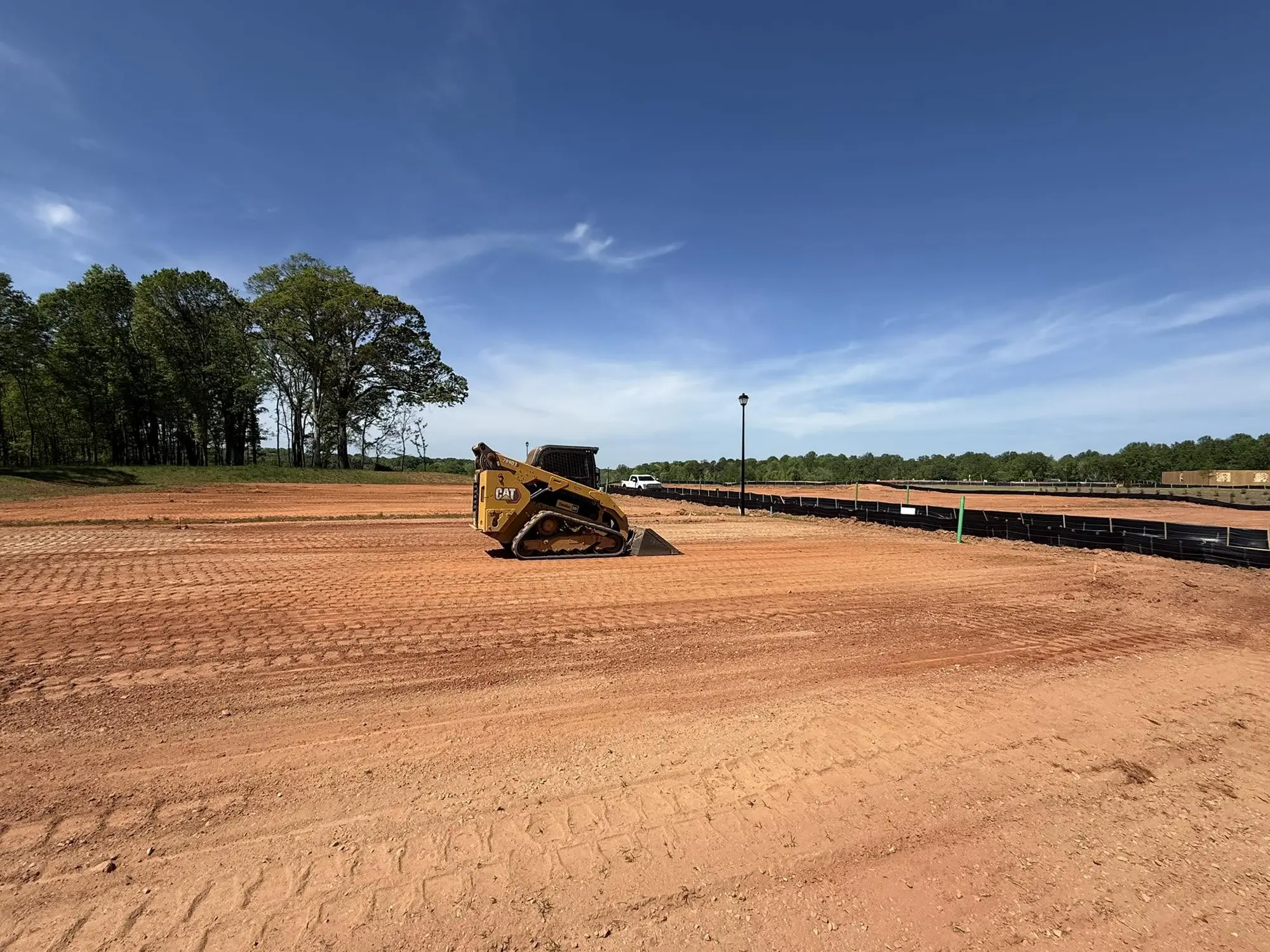
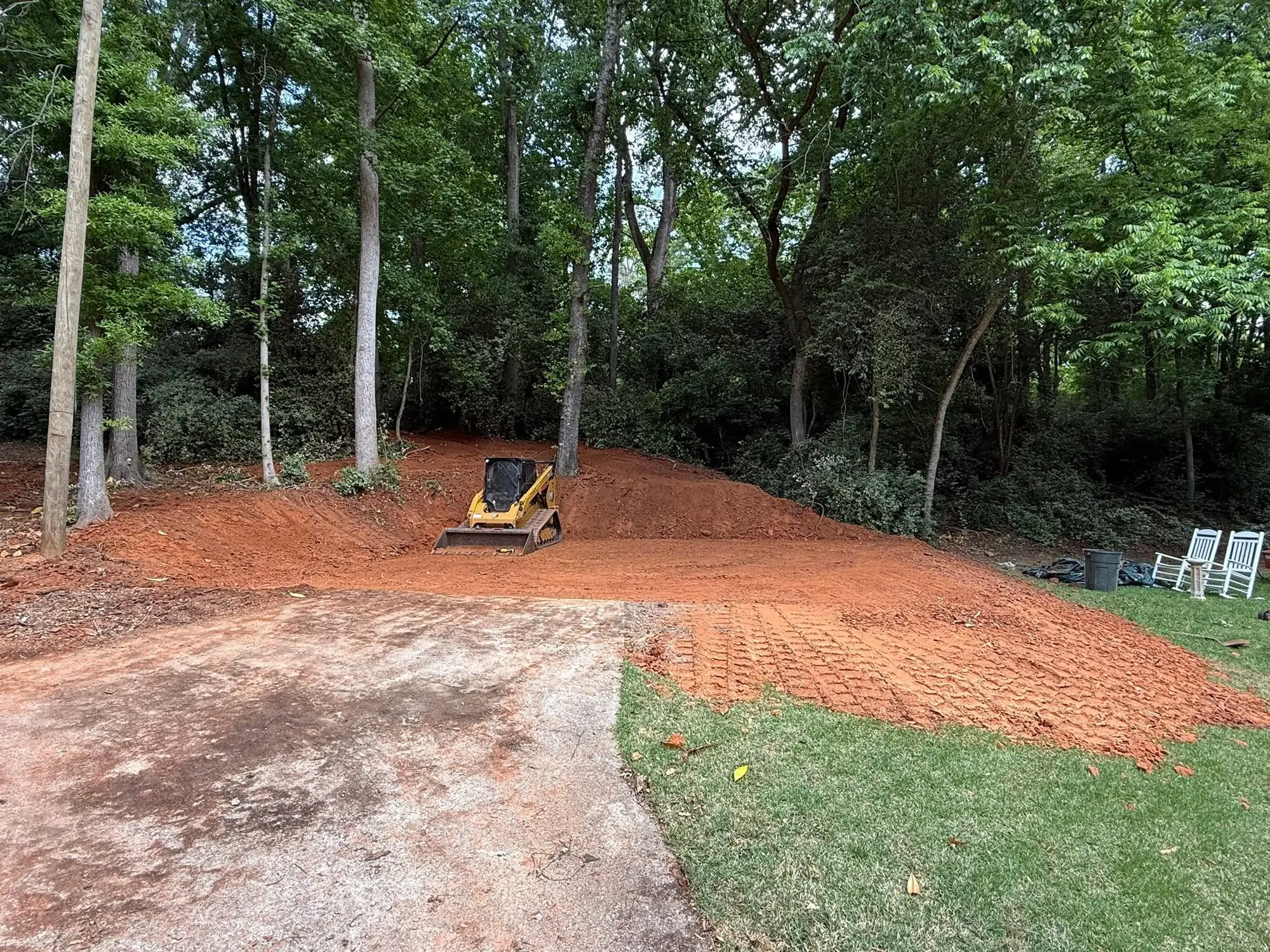
Large work area shaped with a compact track loader
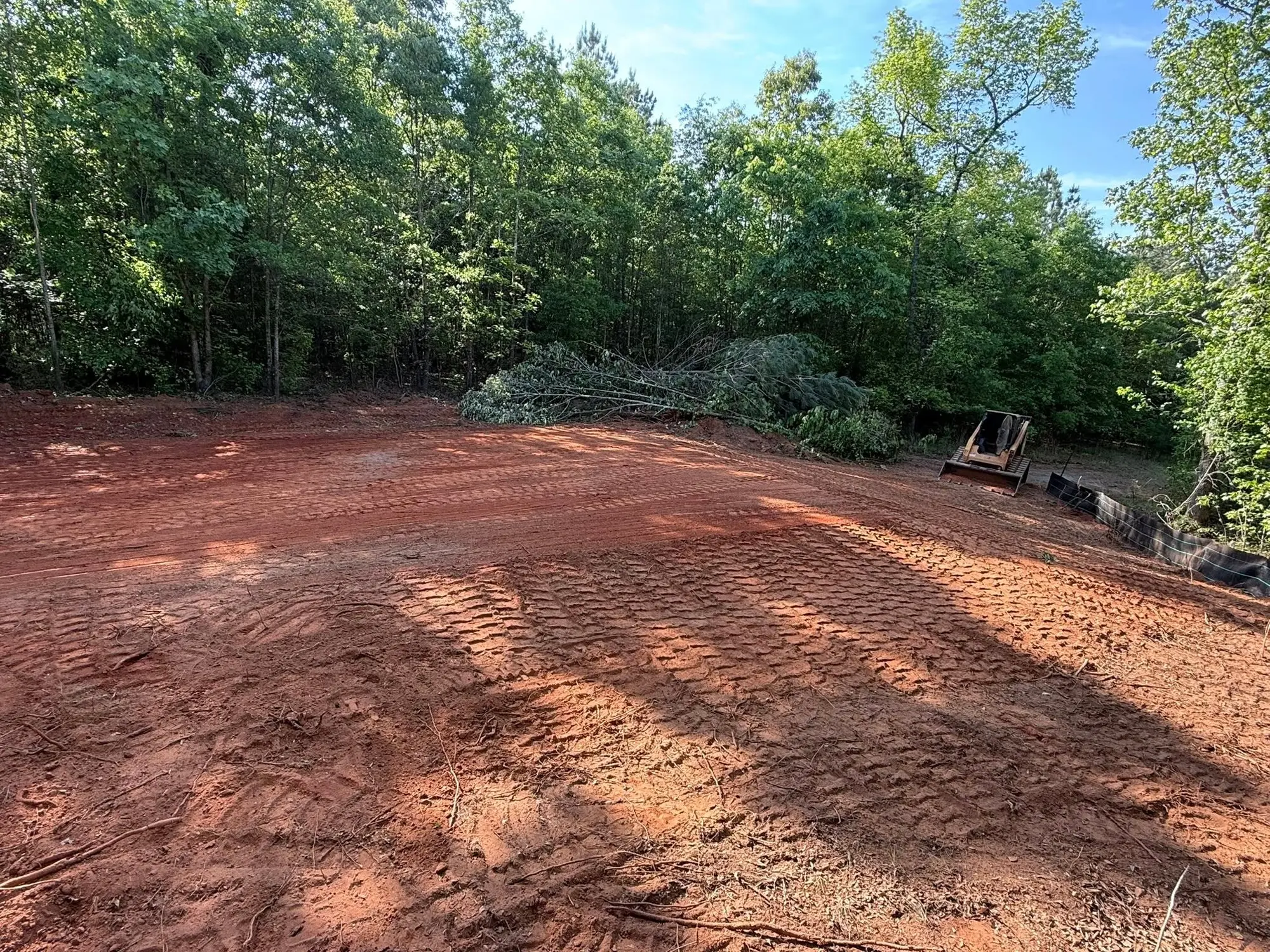
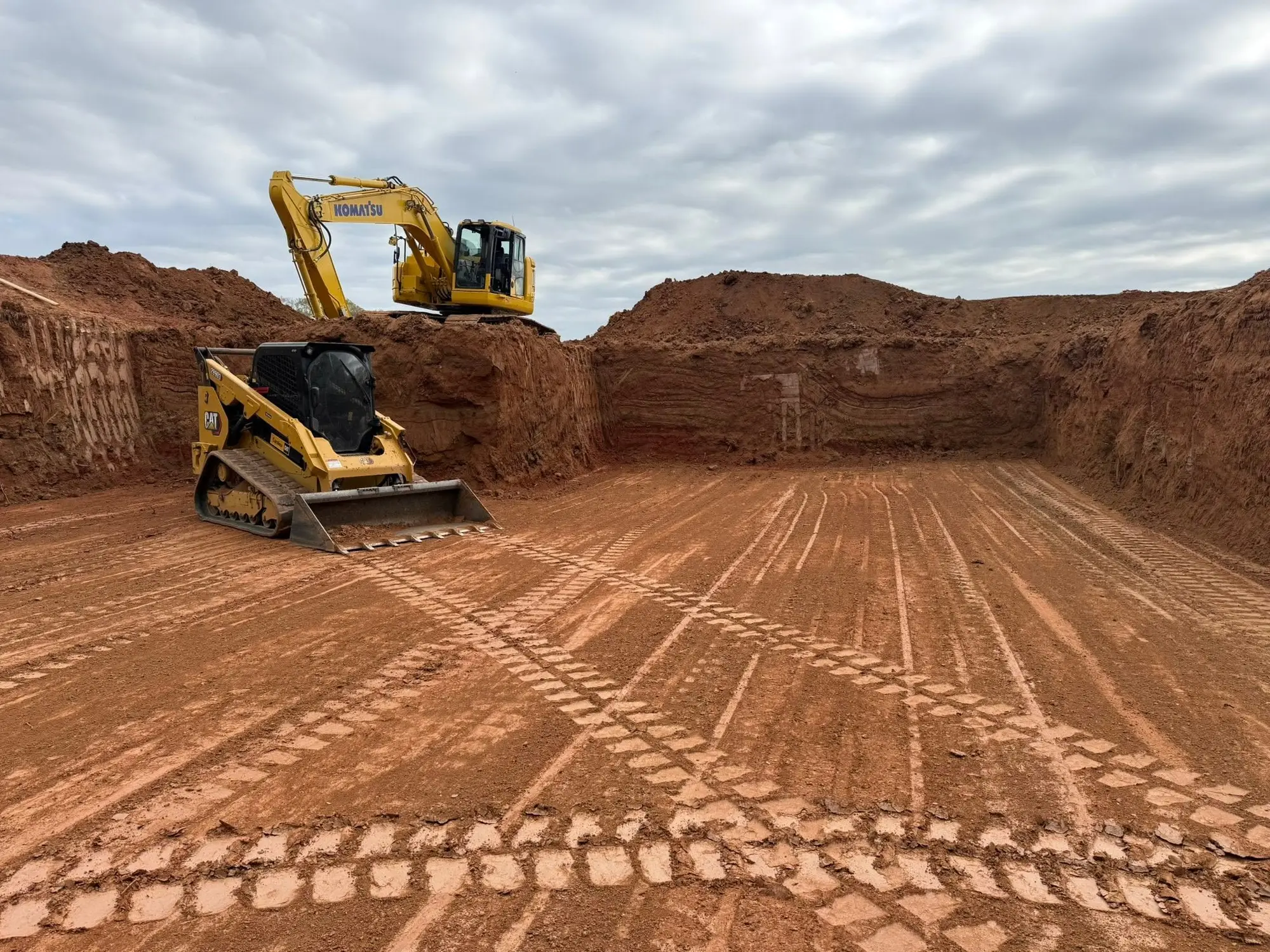
Excavation and ground preparation with two machines visible
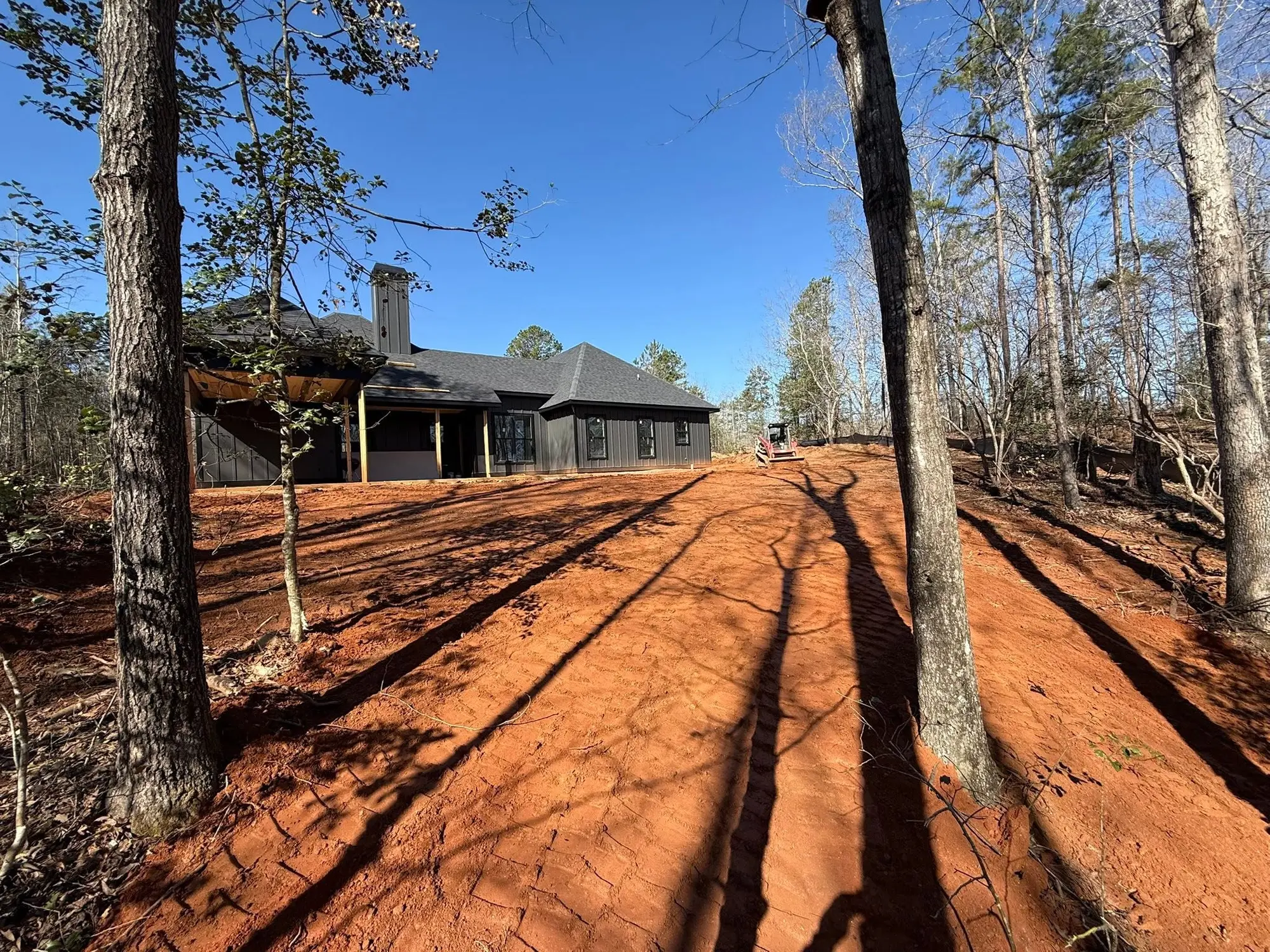
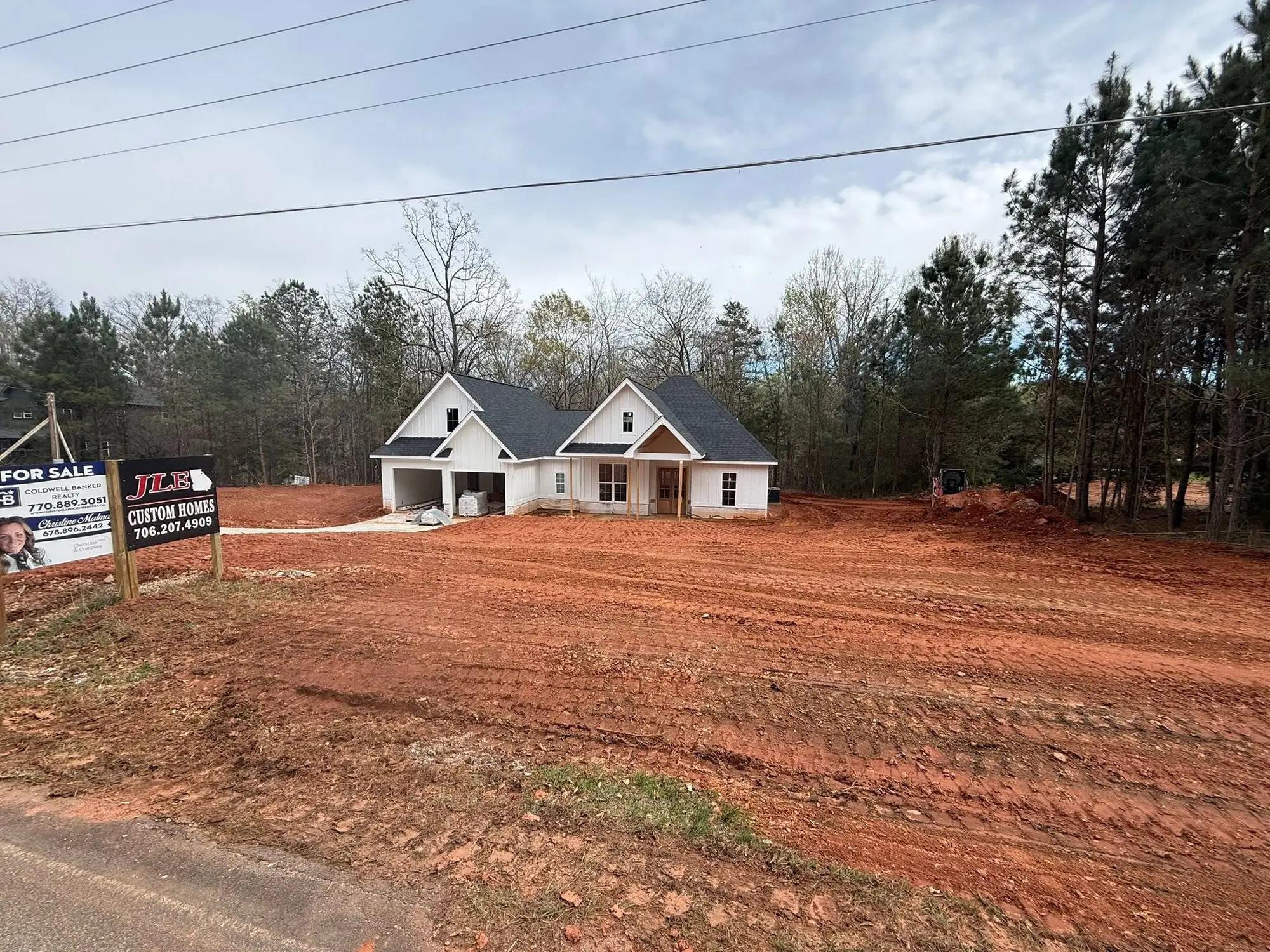
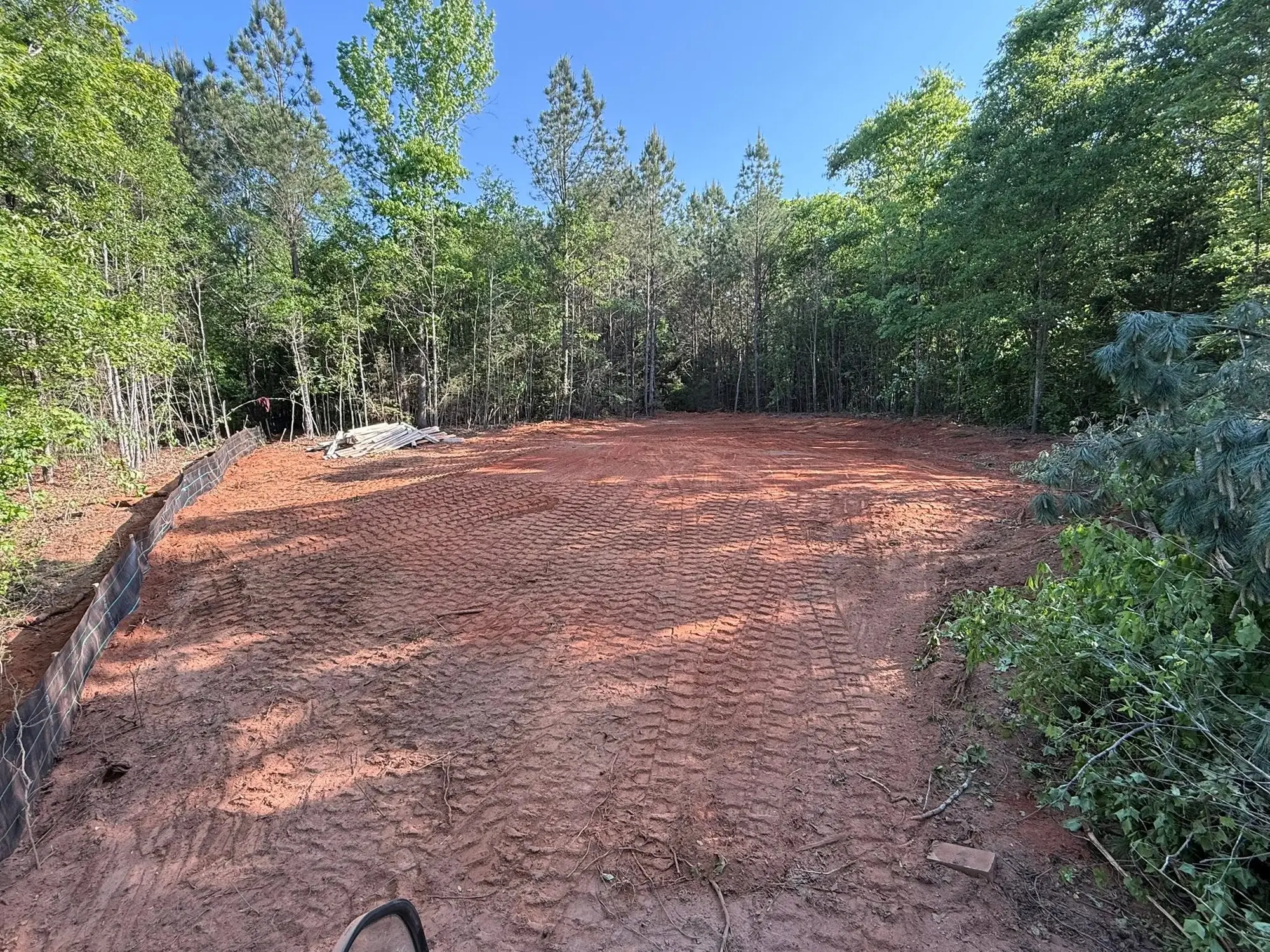
Residential lot clearing and access around a new homesite

What a useful scope should provide

Why Property Owners Choose TerraCraft Excavation

Clear communication

The work area, expected result, debris plan, and scope should be understood before work begins.

Project-specific planning

The method should match the vegetation, property conditions, access, and future use.

Respect for the property

Structures, trees to remain, access, boundaries, and cleanup are part of the planning conversation.

Appropriate equipment

Machines and attachments should be selected for actual site conditions and the work limits.

Defined project scope

Customers should understand what is included and what additional work may be needed afterward.

Local service

TerraCraft serves Athens and surrounding Northeast Georgia communities.

Straight answers before work begins

Frequently Asked Questions About Land Clearing

How much does land clearing cost in Athens, Georgia?

Cost depends on the work area, vegetation, tree and stump size, access, terrain, debris plan, and desired finish. A property review provides a more useful estimate than a generic range.

Is land clearing priced by the acre?

Acreage matters, but it does not show density, access, slopes, wet ground, stump needs, hauling, or the finish required. Those conditions can change the scope significantly.

What information is needed for an estimate?

Share the property location, approximate work area, intended use, access details, known obstacles, and photos when available. A site evaluation may still be needed.

Can only part of a property be cleared?

Yes, a scope can focus on a defined homesite, yard expansion, trail, fence line, driveway route, or other work zone after the limits are identified.

Can selected trees remain?

Trees to remain should be marked clearly before work begins. Their location, root zones, access, and nearby work all affect what can be protected.

What is the difference between forestry mulching and traditional clearing?

Mulching processes suitable vegetation at the surface and generally leaves mulch behind. Traditional clearing can remove vegetation and stumps from defined areas but usually creates more debris and soil disturbance.

Does forestry mulching remove stumps?

Not necessarily. Stumps, roots, woody material, and uneven ground can remain depending on the vegetation and equipment used.

What happens to the trees and brush?

The project scope should define whether material is mulched, consolidated, separated, left in a designated area, or hauled when that option is included.

Can mulch remain on the property?

Mulched material commonly remains where that method is used, but depth, distribution, and suitability for the next use should be discussed before work begins.

Can debris be hauled away?

Debris handling options depend on the material, volume, access, and project scope. Hauling should be confirmed in the written estimate rather than assumed.

How long can a land-clearing project take?

Timing varies with the size and condition of the property, access, weather, debris handling, and finish. The specific property must be evaluated before discussing a schedule.

Can TerraCraft clear a small residential lot?

TerraCraft evaluates residential clearing projects based on access, work limits, nearby improvements, vegetation, and the desired result.

Can TerraCraft evaluate larger acreage projects?

Yes, larger properties can be evaluated by work area, vegetation, terrain, access, debris needs, and intended use.

Does a property owner need a permit?

Requirements can vary by municipality, property, project type, stream buffers, land-disturbance rules, and intended use. Owners should confirm applicable requirements with the proper local authority.

Who is responsible for identifying property lines?

The owner should provide reliable clearing limits and property information. TerraCraft does not represent ordinary clearing-limit marking as a professional boundary survey.

What should the owner do about underground utilities?

Public utilities should be marked through the appropriate locating process. Owners must also disclose known private lines, septic components, wells, irrigation, invisible fencing, and private electrical service.

Can steep or uneven land be cleared?

Some sloped or uneven areas can be worked, but access, stability, equipment limits, erosion risk, and the desired result must be evaluated on site.

Can clearing be completed when the ground is wet?

Wet or soft ground can limit access, increase disturbance, and affect safety and finish. Conditions need to be evaluated before work proceeds.

Can TerraCraft clear for a driveway?

A clearing scope can open an agreed driveway corridor. Complete driveway construction is a separate step involving grade, drainage, culverts when needed, and base material.

Is grading included with land clearing?

Not automatically. Rough or finish grading should be stated in the scope if it is needed after vegetation and stumps are addressed.

Can a lot be prepared for new-home construction?

Clearing can prepare the footprint and access for later work. Excavation, drainage, utilities, driveway construction, and final grading may be separate services.

Can fence lines be cleared?

Fence-line work can be evaluated after the line, access, existing fence components, trees to remain, and nearby utilities are identified.

Can storm-damaged areas be cleaned up?

Storm-damaged areas can be evaluated, but dangerous trees, trees under tension, or work near structures may require specialized services outside a standard clearing scope.

How is nearby property protected?

Planning should identify work limits, access, structures, fences, landscaping, and trees to remain. The practical protection plan depends on the site and agreed scope.

What happens when the scope changes after work begins?

New conditions or requested work should be discussed and documented before the additional work proceeds, so the result and material handling remain clear.

How far outside Athens does TerraCraft serve?

Serving Athens–Clarke County, Oconee, Barrow, Jackson, Madison, Oglethorpe, Banks, Walton, Franklin, Hall, Elbert, Hart, and surrounding Northeast Georgia communities.
Start with the goal

Tell Us What You Want to Do With Your Property

Share the property location, approximate work area, a short description, and photos when available. Those details help TerraCraft understand the project, but a site evaluation may still be needed.

706-480-8220
Request a free estimate

Photos and a short description help TerraCraft understand the property. Submitting this form does not replace an on-site evaluation when one is needed.

Or call 706-480-8220
Call NowFree Estimate