Thick underbrush
Open wooded property beneath selected trees by processing briars, vines, shrubs, saplings, and low woody growth.
Reclaim overgrown land with a selective approach
TerraCraft provides forestry mulching for homeowners, farms, hunting properties, commercial sites, and rural acreage throughout Athens and Northeast Georgia.
Take back your property
Briars, vines, saplings, fallen limbs, and thick underbrush can hide fences, close trails, reduce pasture, and make wooded acreage difficult to use. Forestry mulching processes suitable vegetation directly on the property and leaves the material as mulch.
The goal is often a cleaner, more accessible woodland—not an empty lot. TerraCraft evaluates the vegetation, terrain, access, and future use before recommending forestry mulching or a different clearing method.
Tell us what you want to reclaim →One machine can complete several steps
A specialized mulching attachment cuts and grinds brush, vines, saplings, smaller unwanted trees, fallen limbs, and overgrown shrubs where they are growing. This can reduce cutting, piling, loading, hauling, burning, and repeated debris handling.
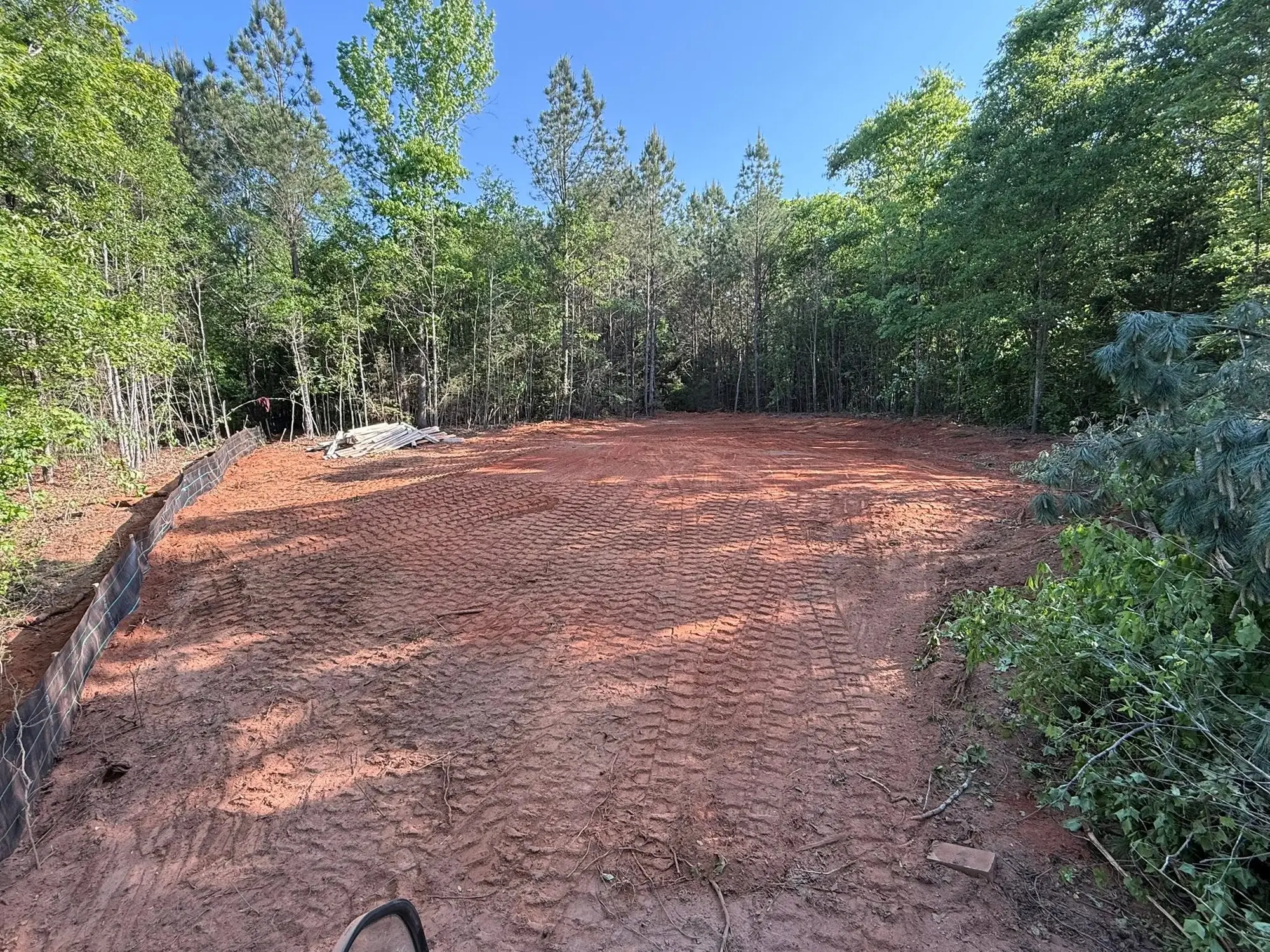
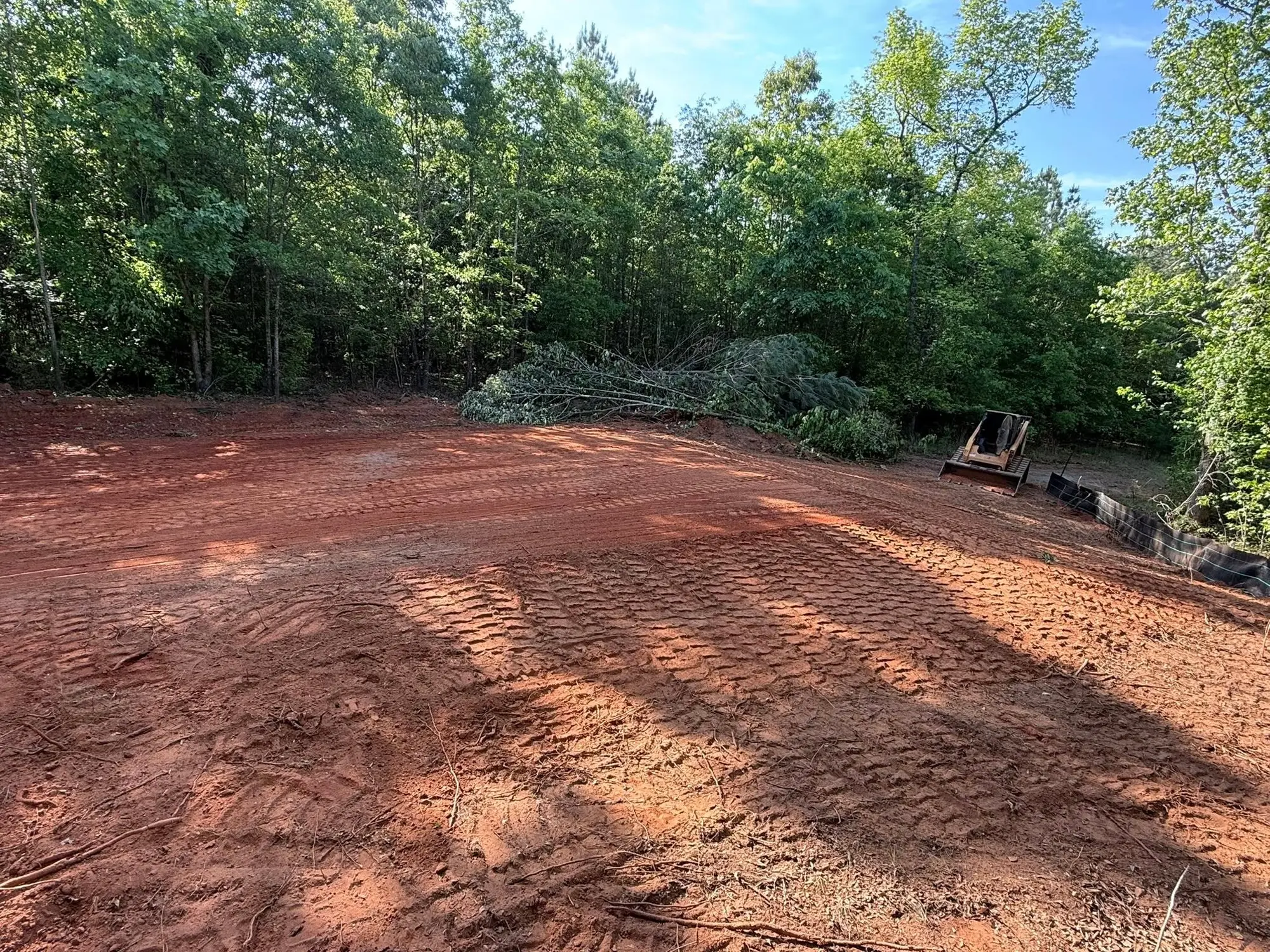
The finished surface is not a graded lawn or construction-ready pad. Visible mulch, wood chips, low-cut stems, roots, and natural irregularities usually remain. The exact result depends on vegetation, terrain, soil, equipment, and the agreed level of processing.
Where forestry mulching works well
Open wooded property beneath selected trees by processing briars, vines, shrubs, saplings, and low woody growth.
Restore access for inspection, repair, or future fencing while identifying hidden wire, posts, concrete, and debris first.
Create or reopen walking paths, ATV trails, tractor routes, hunting access, and corridors to ponds, creeks, or equipment areas.
Reclaim field edges, neglected corners, old farm roads, pasture margins, and brush around barns or drainage features.
Improve stand access, shooting lanes, food-plot routes, visibility, and connected trail systems while preserving useful cover.
Reduce woody growth before it becomes large enough to require more intensive removal and make follow-up maintenance easier.
Process suitable fallen limbs, broken saplings, tangled brush, and smaller woody debris where conditions allow.
Improve visibility through wooded areas while preserving chosen trees, privacy buffers, and the natural character of the property.
Different methods solve different problems
Best for dense woody brush, vines, saplings, smaller trees, trails, fence lines, and selective woodland improvement. Roots typically remain below the surface.
Better when a project requires complete tree, stump, and root removal; construction clearing; major grading; or obstacle removal. Explore land clearing.
Generally suited to grass, weeds, light brush, open fields, previously maintained areas, and routine vegetation control. It can follow initial forestry mulching as maintenance.
The right recommendation matters
Future building areas may need excavation, grading, or complete site preparation after vegetation is opened.
A practical option for selective land improvement
Work generally stays at or near the surface when deep root removal is not required, although heavy equipment still affects wet or soft ground.
Processed organic material covers much of the work area instead of leaving the entire property bare.
Suitable vegetation is processed in place, which can reduce burning, loading, hauling, disposal, and repeated handling.
Walk boundaries, reach ponds, maintain fences, use ATVs or tractors, and better evaluate future improvements.
Preserve chosen trees and natural features while removing unwanted growth beneath and between them.
Opened land can often be maintained later with mowing, bush hogging, spraying, cutting, or periodic follow-up mulching.
Equipment matched to the property
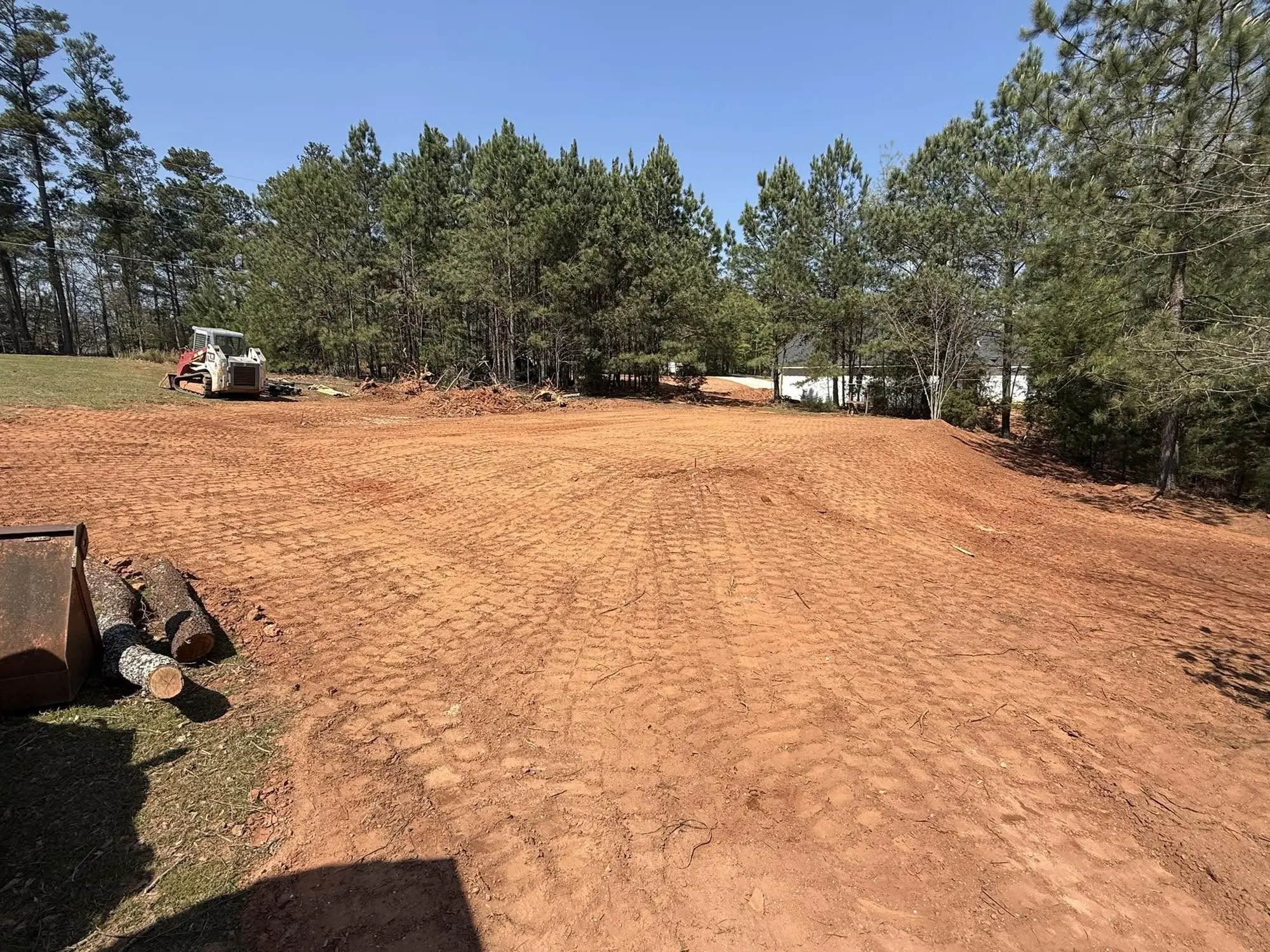
Compact track loaders, mulching attachments, excavators, grapples, and buckets each serve a different role. Equipment selection depends on vegetation size and density, terrain, soil, access, nearby structures, desired finish, and what the land will be used for afterward.
No machine is right for every property. The correct setup balances production, maneuverability, soil conditions, protected features, and realistic limits.
Discuss Your PropertyFrom property review to final walkthrough
Review vegetation type and density, tree size, terrain, soil, access, fences, structures, utilities, drainage, and the intended use.
Build the scope around acreage, vegetation, terrain, access, desired finish, mobilization, obstacles, and any additional services.
Identify boundaries, trees to preserve, trails, utilities, septic areas, wells, drainage features, sensitive areas, and no-entry zones.
Process designated vegetation while adapting the approach to changing density, slopes, soil, and protected features.
Reprocess heavier areas where appropriate and separately handle logs, debris, or material that should not be mulched in place.
Review completed work, remaining conditions, maintenance recommendations, and whether grading or another service should follow.
Every acre is different
Pricing may be hourly, daily, by the acre, or a total project price. A lightly overgrown acre is very different from dense woody growth with larger trees, wet ground, slopes, or hidden debris.
Real TerraCraft property work
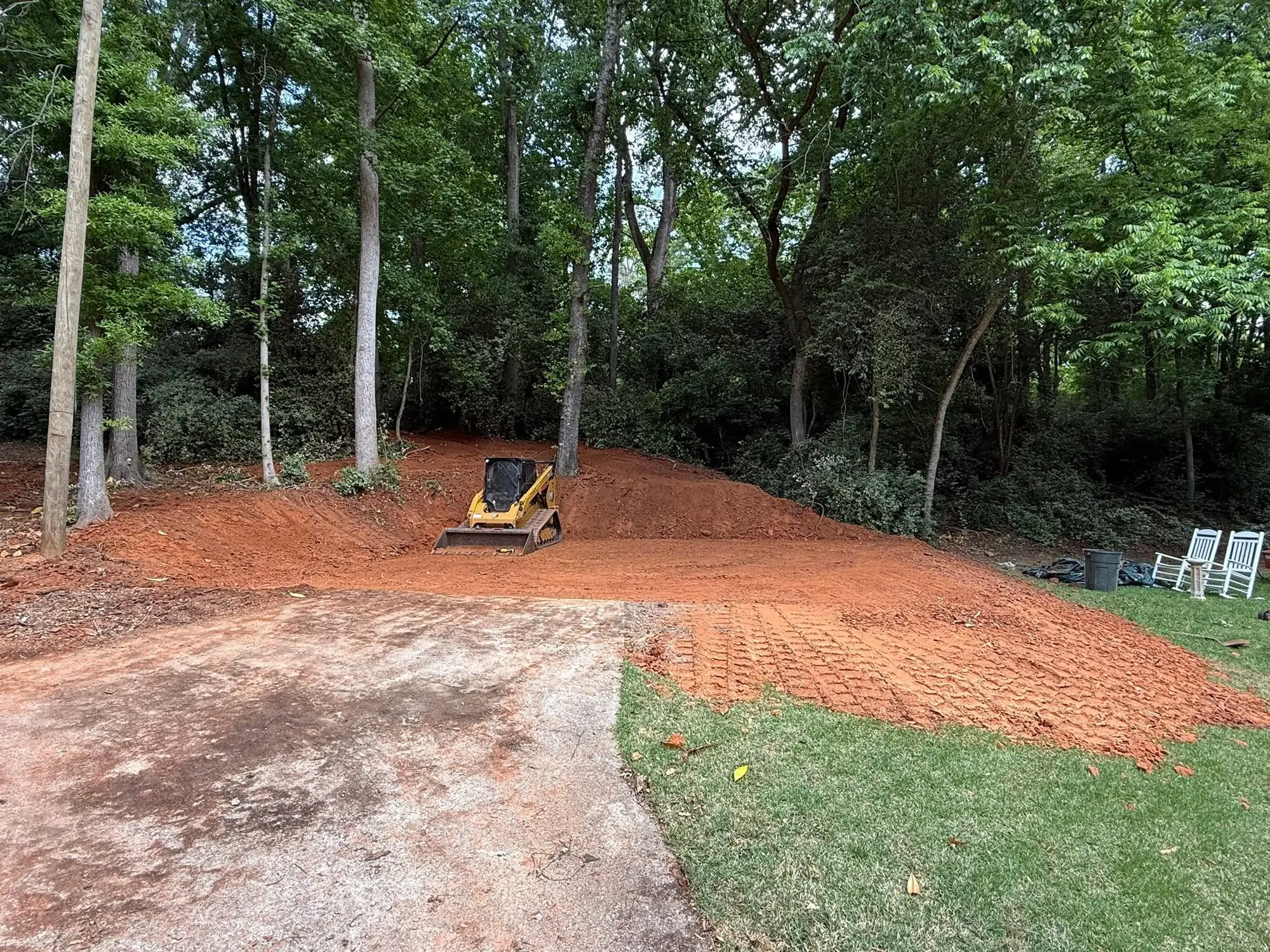
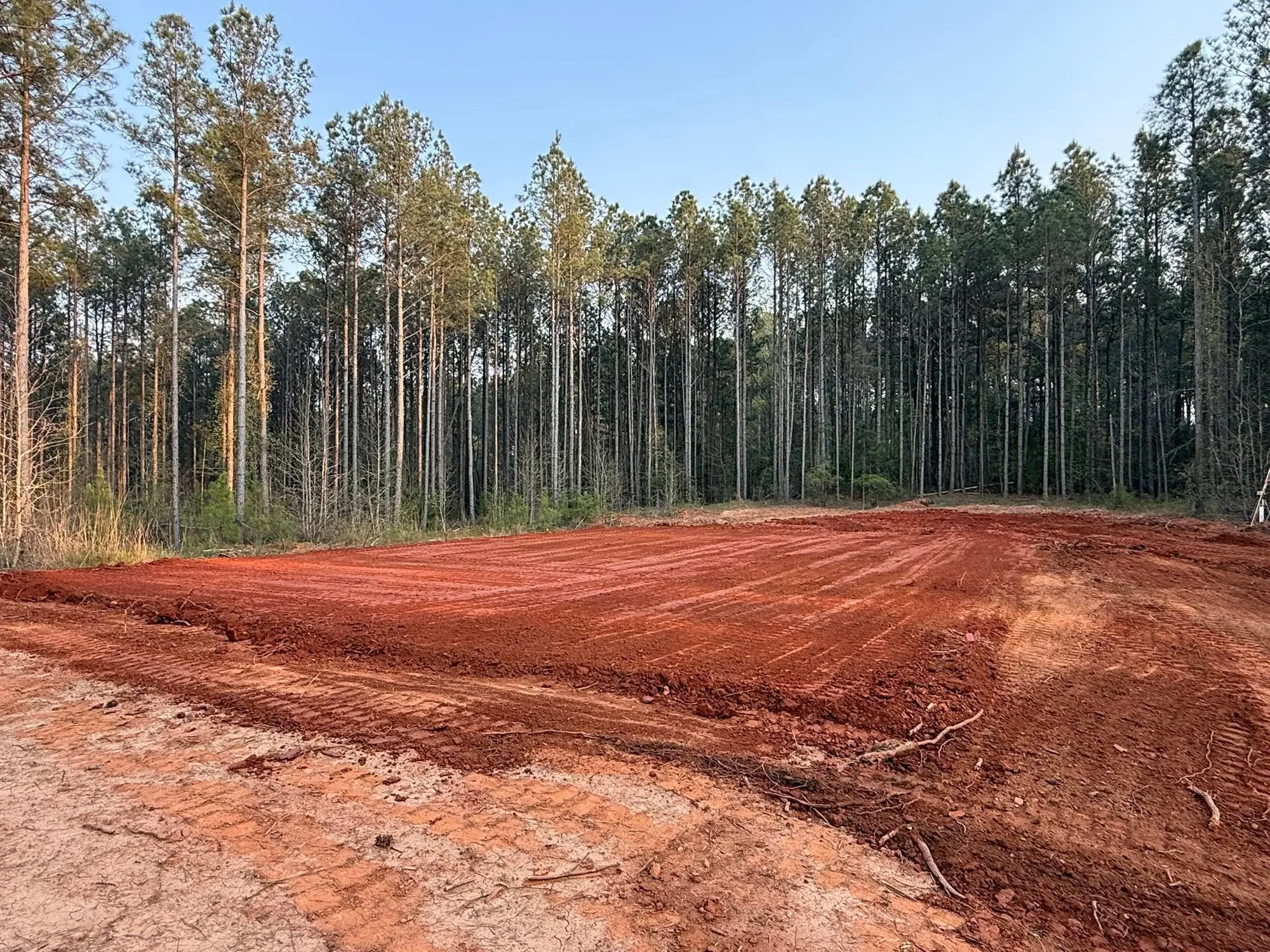
Serving Athens–Clarke County, Oconee, Jackson, Barrow, Madison, Oglethorpe, Banks, Walton, Franklin, Hall, Elbert, Hart, and surrounding Northeast Georgia communities.
Straight answers about the right method
We consider what is growing now and what the land must support afterward instead of forcing every job into one method.
Selected trees, boundaries, fences, structures, utilities, drainage, and sensitive areas are included in the work plan.
We explain what mulching will accomplish, what may remain, and whether maintenance or another land service should follow.
Northeast Georgia clay, rolling ground, dense growth, wet areas, old farm fencing, and narrow access affect planning.
Scope, finish, hazards, access, scheduling, and additional work are discussed before equipment arrives.
Machines and attachments are selected around the vegetation, access, terrain, and desired result.
Answers before the machine arrives
The property, vegetation, soil, access, hazards, intended use, and desired finish still determine the right recommendation.
Cost depends on acreage, vegetation density, tree size, terrain, access, ground conditions, hidden obstacles, and the desired finish. A property evaluation provides the most useful estimate.
It may be priced by the hour, day, acre, or total project. The right method depends on how predictable the site conditions are.
Maximum tree size depends on the machine, attachment, species, terrain, and site. Large mature or hazardous trees may require separate controlled removal.
It usually leaves roots below the surface and does not normally remove an entire stump and root system. Construction, utility, grading, or farm work may require separate removal.
It can. Plants may return from roots, seeds, or remaining material. Follow-up mowing, bush hogging, spraying, cutting, or periodic mulching may be needed.
Not necessarily. Mulch, wood chips, low stems, roots, rocks, ruts, and natural contours may remain. Grading is a separate service when a smooth surface is required.
Yes. Trails for walking, hunting, ATVs, tractors, and equipment can be opened. Regular vehicle routes may also need drainage, grading, culverts, or gravel.
Often, yes. Trees and protected areas should be identified before work begins, and realistic clearance is needed around trunks, shallow roots, and low branches.
It can remove surface vegetation and expose the property, but a construction-ready homesite typically needs full clearing, stump removal, excavation, drainage planning, grading, and pad preparation.
Yes. Public utilities must be located, and owners should identify private lines, septic systems, wells, irrigation, drainage pipe, invisible fencing, and other hidden improvements.
Wet soil can increase rutting, compaction, and property damage. Work may need to wait until conditions improve.
Processed vegetation remains on the ground and breaks down over time. Its depth and size vary with the vegetation and amount of processing.
Start with the property and your goal
Share the location, approximate acreage, vegetation, access, features to preserve, intended use, and photos when available.
706-480-8220Serving Athens–Clarke County, Oconee, Jackson, Barrow, Madison, Oglethorpe, Banks, Walton, Franklin, Hall, Elbert, Hart, and surrounding Northeast Georgia communities.